Technical Guide to Custom Multivitamin Mineral Blends: Formulation Science, Stability Management & B2B OEM Scale-Up
Engineered for global brand owners, clinical formulators, and institutional procurement directors. Complete turn-key manufacturing of bioavailable, stable, and compliant Multivitamin Mineral Blends across capsules, tablets, bi-layer matrices, and functional powders under FDA 21 CFR 111 cGMP standards.
The Chemical Architecture of High-Potency Multivitamin Mineral Blends
Formulating commercially viable, highly bioavailable Multivitamin Mineral Blends represents one of the most complex engineering challenges in modern nutraceutical manufacturing. Unlike single-ingredient dietary supplements, complex multivitamin and multimineral matrices bring dozens of chemically active compounds into close contact, creating significant risks of chemical degradation, redox interference, physical segregation, and loss of potency over time.
At Bactolac Pharmaceutical, our 30-year technical foundation allows us to address these challenges before production ever begins. The primary hurdle in manufacturing custom multivitamin mineral premixes is preventing micro-environmental interactions between hygroscopic minerals and vulnerable water- and fat-soluble vitamins:
Catalyzed Oxidation Controls: Trace minerals like iron (ferrous fumarate or bisglycinate) and copper act as potent catalysts for the oxidative destruction of ascorbic acid (Vitamin C), thiamine (Vitamin B1), and folic acid. We utilize specialized micro-encapsulation techniques and protective lipid/ethylcellulose coatings to physically separate reactive ions from sensitive vitamin active sites.
Chelated Mineral Integration: To eliminate competition for intestinal transporter channels and reduce gastrointestinal irritation, we formulate with fully reacted amino acid chelates (e.g., Magnesium Bisglycinate, Zinc Glycinate) instead of low-cost inorganic salts like oxides and carbonates. Chelates minimize moisture absorption within the bottle, preserving long-term batch stability.
Active Co-Factor Selection: Modern global consumers demand biologically active vitamin forms that bypass hepatic conversion limitations. We routinely incorporate methylated B-vitamins—such as L-5-Methyltetrahydrofolate (L-5-MTHF) instead of synthetic folic acid, Methylcobalamin and Adenosylcobalamin instead of cyanocobalamin, and Pyridoxal-5-Phosphate (P-5-P) for Vitamin B6—ensuring clinical-grade efficacy.
Organoleptic Masking & Bulk Density Matching: Mineral salts often possess high bulk density and metallic flavor profiles, whereas botanical extracts and vitamins exhibit low bulk density. Our high-shear wet granulation and dry roller compaction processes equalize particle sizes, preventing blend segregation during high-speed encapsulation or tableting.
Dosage Innovations
Comprehensive Delivery Formats for Multivitamin Mineral Blends
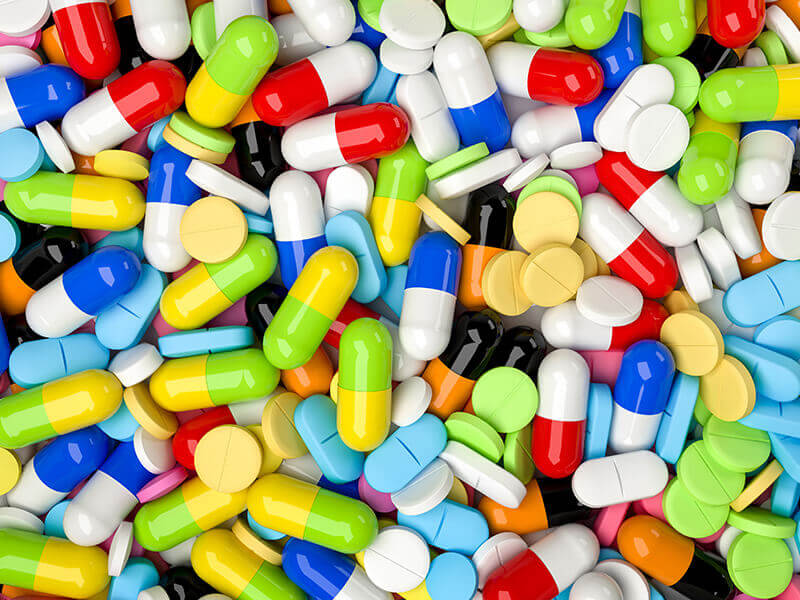
Global procurement teams must match target demographic preferences with the appropriate delivery technology. Bactolac provides advanced manufacturing capabilities across all core delivery systems, maintaining strict potency and uniform weight distribution across high-volume production batches.
Ideal for sensitive multivitamin mineral premixes requiring minimal excipients. Available in sizes 000 through 4, including hypromellose (HPMC) vegetarian, pullulan, and acid-resistant delayed-release capsules designed to protect probiotics or sensitive enzymes in stomach acid.
Separate incompatible ingredients into physically isolated layers within a single tablet. One layer delivers immediate-release vitamins, while the second layer slowly releases minerals over 8 to 12 hours, optimizing systemic absorption and reducing gastric distress.
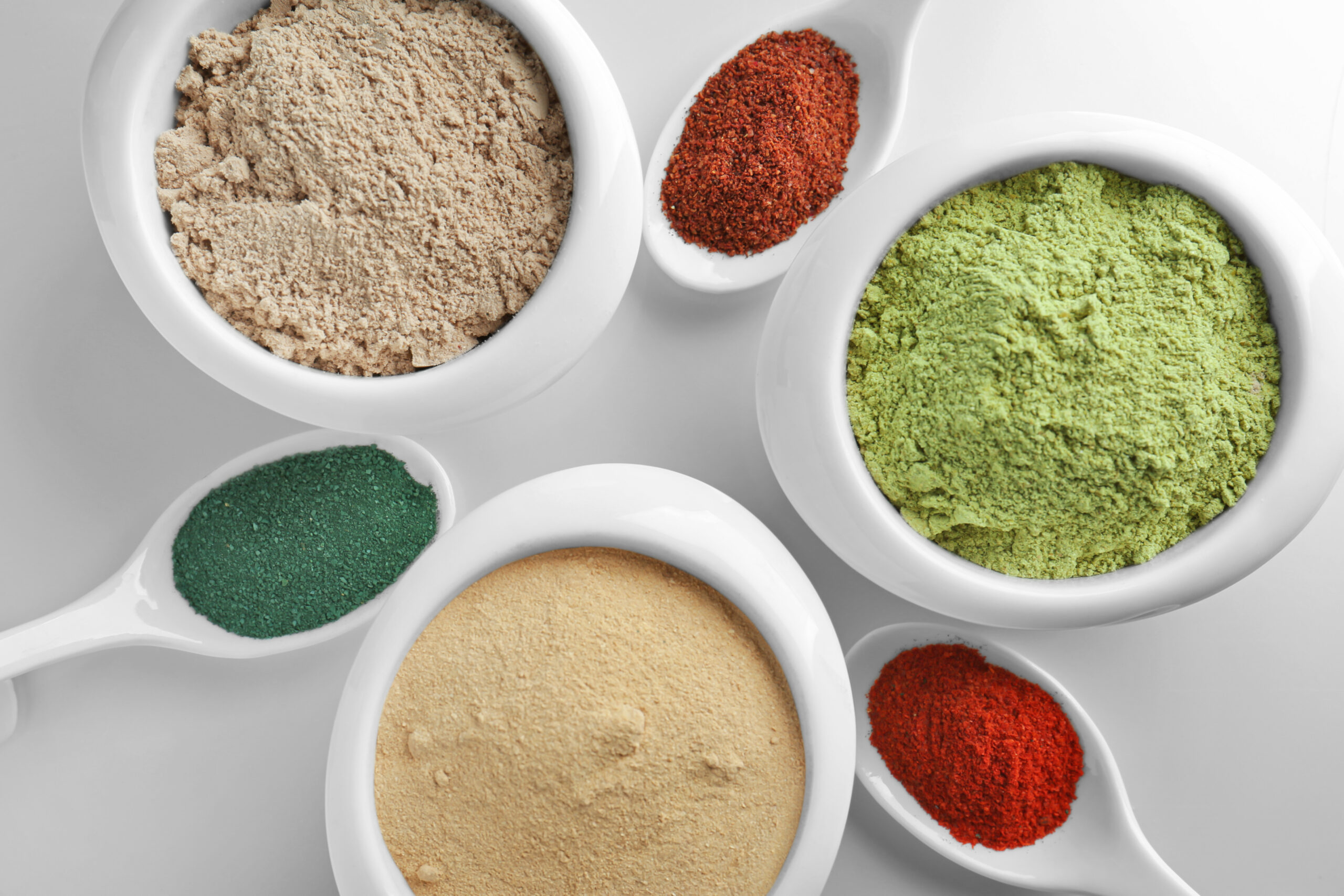
Engineered for high solubility, clarity, and rapid dissolution. Perfect for daily hydration mixes, superfood greens fortified with vitamins and minerals, and sports recovery drinks. Fully integrated with automated pouching and stick-pack filling machines.
Formulated for pediatric, geriatric, or bariatric populations with swallowing difficulties. Features custom flavor systems (citrus, berry, mint) paired with natural polyol sweeteners to mask metallic mineral notes without raising glycemic index scores.
Precision-controlled humidity environments ensure clean effervescent reaction chemistry (citric acid + bicarbonate) that dissolves completely without leaving mineral residue at the bottom of the glass.
Future Procurement Trends in Multivitamin Mineral Manufacturing
The global dietary supplement industry is undergoing a structural transition driven by stricter regulatory enforcement, heightened consumer scrutinization of synthetic ingredients, and breakthrough analytical testing methods. Brand managers and global buyers must anticipate these key trends when sourcing Multivitamin Mineral Blends.
Excipient Innovation
1. The Shift to 100% Synthetic-Free Clean Labels
Retail giants and international health authorities are phasing out legacy flow agents like magnesium stearate, silicon dioxide, titanium dioxide, and artificial colors. Modern buyers are demanding clean-label excipient architectures using native rice concentrates, organic tapioca maltodextrin, sunflower lecithin, and bamboo silica. Bactolac's R&D team has spent years perfecting processing aids that run cleanly on high-speed equipment without synthetic additives.
Bioavailability has replaced total dosage as the primary competitive metric in consumer marketing. The future of multivitamin blends lies in liposomal technology—wrapping hydrophobic vitamins (D3, K2) and minerals (such as iron) within phospholipid bilayers to dramatically increase cell-membrane permeability and prevent intestinal degradation. We offer pilot and commercial liposomal processing options for prospective contract clients.
Targeted Nutrition
3. Companion Formulas for Metabolic & Longevity Therapeutics
The explosive adoption of GLP-1 weight-management therapies and cellular health longevity stacks (e.g., NMN, NAD+ precursors, spermidine) has created a high-growth niche for specialized companion multivitamins. These formulas mitigate micronutrient depletion, preserve lean muscle mass, and support mitochondrial function. Procurement teams are rapidly building custom formulations to capture this emerging market segment.
Supply Chain Rigor
4. Full Supply Chain Traceability & DNA Identity Verification
Global regulatory bodies—including the U.S. FDA, European Food Safety Authority (EFSA), and Australian TGA—are demanding full botanical identity verification and heavy metal origin mapping. Supply chain managers require raw material documentation detailing elemental purity, absence of ethylene oxide (EtO), non-irradiated status, and full traceability back to the farm or synthesis laboratory.
E-E-A-T Quality Assurance
Analytical Testing & Overage Science: How Bactolac Guarantees Label Claims
Under FDA 21 CFR Part 111 cGMP regulations, establishing label claims for a 20-to-30 ingredient Multivitamin Mineral Blend requires more than basic blending—it demands meticulous batch record execution, scientifically calculated overages, and validated analytical testing methods.
Vitamins naturally lose potency over their shelf life due to environmental factors such as ambient temperature, humidity, and oxygen exposure. To ensure every product meets 100% of declared label claims through its expiration date, our pharmaceutical chemists implement strict quality control protocols:
Scientific Overage Calculations: We calculate specific, defensible overages (typically 5% to 20% depending on compound degradation kinetics) for sensitive actives like Vitamin C, Thiamine, and Cyanocobalamin, backed by real-time stability data rather than arbitrary estimation.
Raw Material Identity Quarantine: Every incoming lot of raw vitamin powder and mineral salt is quarantined and subjected to Fourier-Transform Infrared Spectroscopy (FTIR) or High-Performance Liquid Chromatography (HPLC) identity verification prior to release into blending.
Inductively Coupled Plasma Mass Spectrometry (ICP-MS): Mineral content and heavy metals (Lead, Cadmium, Arsenic, Mercury) are quantified on-site down to parts-per-billion (ppb) detection thresholds, satisfying stringent California Proposition 65 and international import limits.
USP Disintegration & Dissolution Protocols: We test finished solid dosage forms according to USP <2040> standards to ensure tablets and capsules break down efficiently in the gastrointestinal tract within designated time limits.
Our 200,000+ square foot manufacturing facility in Hauppauge, New York operates under continuous quality management programs audited by the world’s leading standards organizations.
Procurement FAQ
Global Buyer Frequently Asked Questions: Sourcing Multivitamin Mineral Blends
In-depth answers to critical formulation, quality control, regulatory, and logistics questions asked by brand executives and global procurement specialists.
Chemical cross-reactivity in multivitamin mineral matrices is primarily caused by free moisture, acidic excipients, and direct contact between trace metals (like copper, iron, and zinc) and oxidation-sensitive vitamins (such as Ascorbic Acid, Thiamine, and Folate). Bactolac prevents degradation through three engineered controls: (1) Utilizing chelated or micro-encapsulated minerals that isolate metal ions behind lipid or amino-acid protective barriers; (2) Applying dry roller compaction or low-moisture wet granulation to keep finished powder water activity (Aw) strictly below 0.3; and (3) Formulating with precise, stability-validated nutrient overages to ensure 100% label claim retention throughout the product's shelf life.
Every commercial batch produced at Bactolac must clear a multi-stage analytical battery before release. We utilize High-Performance Liquid Chromatography (HPLC) and Ultra-Performance Liquid Chromatography (UPLC) to assay water- and fat-soluble vitamin potencies. Inductively Coupled Plasma Mass Spectrometry (ICP-MS) quantifies elemental mineral levels and verifies heavy metal compliance (Lead < 0.5 mcg/day, Cadmium, Arsenic, Mercury). Micro-testing includes Total Aerobic Microbial Count (TAMC), Total Yeast & Mold Count (TYMC), and screening for pathogens (E. coli, Salmonella spp., Staphylococcus aureus) in compliance with USP <2021> and <2022> standards.
For custom encapsulations and compressed tablets, our standard production MOQs start at 25,000 to 50,000 finished bottles (or bulk unit equivalent). For custom powder blends, the MOQ starts at 1,000 kg per batch. Standard production lead times are typically 6 to 10 weeks following final specification sheet sign-off, label artwork clearance, and raw material quarantine testing. Pilot batch development for custom formulations can be accommodated upon request.
Bactolac routinely exports dietary supplements to the EU, UK, Canada, Australia (TGA compliance support), the Middle East, and Asia-Pacific regions. Our regulatory affairs department provides complete export documentation packages, including Certificates of Analysis (CoA), Certificates of Free Sale (CFS), Certificate of Origin, BSE/TSE-Free Declarations, Allergen Statements, Non-GMO Declarations, and Master Manufacturing Flow Charts required by foreign health authorities.
Yes. We specialize in clean-label manufacturing. We can replace traditional excipients like magnesium stearate, silicon dioxide, and stearic acid with natural alternatives, including organic rice hulls (Nu-RICE / Nu-FLOW), organic tapioca maltodextrin, sunflower lecithin, and microcrystalline cellulose. Our engineering team optimizes particle size distribution to ensure smooth flowability on high-speed equipment without sacrificing clean-label integrity.
We provide complete turn-key primary and secondary packaging solutions under one cGMP roof. Options include HDPE/PET bottles with induction seals, wide-mouth jars, glass packaging, blister packing (PVC/Alu or Alu/Alu for sensitive vitamins), single-serve stick packs, flexible gusset pouches, multi-vitamin daily blister cards, and retail-ready display cartons with full tamper-evident and child-resistant closures.
Our 200,000+ sq. ft. facility features state-of-the-art negative/positive pressure air-handling systems with dedicated HEPA filtration in each blending, tableting, and encapsulation suites. Major allergens (such as soy, dairy, fish, and crustacean shellfish) are stored in isolated containment zones and processed on validated, segregated cleaning schedules. Comprehensive swab testing and allergen ELISA assays are conducted between production runs to guarantee zero cross-contamination.
Selecting the right contract manufacturing partner determines your product’s commercial success, shelf life, regulatory compliance, and brand reputation. Bactolac Pharmaceutical offers three decades of technical reliability, state-of-the-art infrastructure, and unmatched quality control.
30+ Years of Formulating Expertise: Established in New York in 1995, our senior chemists have successfully formulated and manufactured tens of thousands of custom supplement batches across every major health category.
Full Single-Source Control: From R&D formulation, pilot bench sampling, high-shear blending, encapsulation, and tableting to analytical batch release and bottling—every phase occurs inside our Hauppauge, NY facilities.
In-House Microbiology & Chemistry Labs: Eliminates third-party testing delays, ensuring fast turnaround times and immediate lot verification before product shipment.
Scalable High-Volume Capacity: Multi-million unit daily capacity easily absorbs unexpected market spikes, national retail rollouts, and global export demands without quality compromise.
Start Formulating Your Custom Multivitamin Mineral Blend Today
Partner with a trusted U.S. cGMP contract manufacturer. Speak directly with our R&D scientists and project management team to request a quote, review raw material availability, or schedule a facility audit.