Direct supply of premium L-Ascorbic Acid, Sodium Ascorbate, Direct Compression (DC) grades, and tailored nutritional supplements engineered for European health brands and distributors.
The Metropolitan Region of Hamburg stands as Northern Europe's decisive logistical heartland and primary commercial artery for bulk chemical, pharmaceutical, and nutritional raw material trade. As the second-largest port in the European Union, the Port of Hamburg (Hafen Hamburg) serves as the quintessential transshipment node for L-Ascorbic Acid (CAS No. 50-81-7), Sodium Ascorbate (CAS No. 134-03-2), and Calcium Ascorbate. For global dietary supplement brand owners, food processors, and chemical distributors operating across Germany, Austria, Switzerland (DACH), Scandinavia, and CEE regions, securing a verified, high-volume Vitamin C exporter with established Hamburg supply routes is a core strategic priority.
Information Gain Insight: Bulk Vitamin C import dynamics through Hamburg are governed by stringent purity standardizations (Ph. Eur., USP, FCC), REACH registration compliance under ECHA, and rapid customs transit protocols through Altenwerder and Waltershof terminals. Partnering with a cGMP-certified primary manufacturer ensures traceable lot-to-lot consistency and minimizes supply chain vulnerabilities.
Ascorbic acid remains one of the most versatile water-soluble antioxidants globally, serving critical functions across human healthcare, commercial food preservation, beverage enrichment, and high-tier animal nutrition. However, raw material price fluctuations, energy cost shifts, and maritime transport congestions demand that European buyers establish direct lines with experienced international exporters capable of offering flexible order quantities, robust buffer stocks, and complete regulatory dossiers.
Instant dissolution grade ideal for beverage fortification, dry drink mixes, dietary powders, and food processing applications requiring fast solubility and high dispersion uniformity.
Specifically engineered 97% and 95% DC Ascorbic Acid formulations with HPMC or Starch binders, designed for high-speed tablet compression machinery without capping or sticking.
Ethylcellulose-coated and Micro-encapsulated Ascorbic Acid for oxidative stability in premixes, alongside non-acidic Sodium Ascorbate and Calcium Ascorbate for sensitive gastrointestinal formulations.
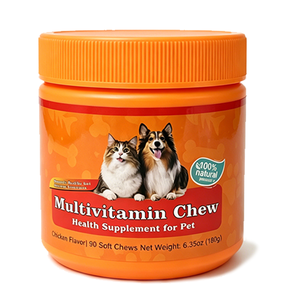
Customized raw materials and finished contract-manufactured SKUs tailored to European manufacturing ecosystems.
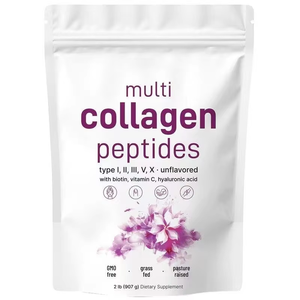
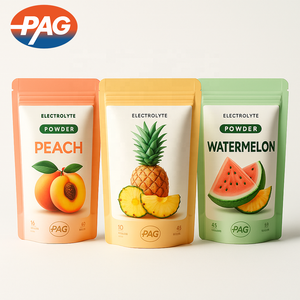
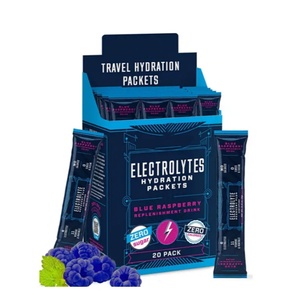
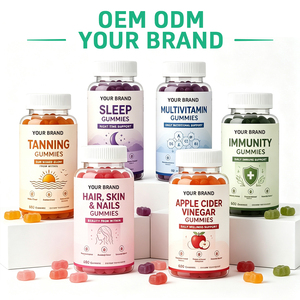
Hamburg is home to leading European nutraceutical brand managers who require turn-key delivery of finished dosage forms. We supply bulk Ascorbic Acid as well as fully formulated, finished goods—including high-potency 1000mg Effervescent Vitamin C tablets, multi-active Collagen Peptides with Vitamin C powder drink mixes, zero-sugar hydration sachets, and vegan pectin Vitamin C gummies. All formulations strictly comply with EU Directive 2002/46/EC maximum daily upper levels and labeling specifications.
German bakeries, beverage bottlers, and meat processing facilities across the Greater Hamburg area utilize food-grade Ascorbic Acid (E300) as an essential dough improver, antioxidant, and color stabilizer. Ascorbic acid strengthens gluten networks in industrial bread baking, prevents enzymic browning in fruit juice concentrate lines, and acts as a curing accelerator in processed meat products, replacing excessive nitrites while ensuring clean-label transparency.
For pharmaceutical repackagers and medical formulation laboratories near Schleswig-Holstein and Lower Saxony, we export European Pharmacopoeia (Ph. Eur.) and USP grade L-Ascorbic Acid. Supported by complete Certificate of Analysis (COA) documentation, low heavy-metal threshold verifications (< 3 ppm lead, < 1 ppm arsenic), and endotoxin-tested batches suitable for specialized therapeutic, oral solution, and clinical applications.
The agricultural and livestock logistics sector surrounding Hamburg relies heavily on fat-coated, heat-stable Ascorbic Acid variants for animal feed fortification. Vitamin C acts as a vital stress-mitigation additive in poultry and swine nutrition during summer heat periods, enhances immune response in livestock, and prevents vitamin degradation during high-temperature feed pelleting processes.
Navigating the European chemical and nutritional import landscape requires meticulous compliance with regulatory frameworks established by both the European Chemicals Agency (ECHA) and the European Food Safety Authority (EFSA). Importers in Hamburg face stringent oversight at customs control points, where documentation accuracy directly influences clearance timelines and demurrage charges.
Under EFSA Regulation (EC) No 1924/2006, Vitamin C benefits from several authorized Article 13(1) health claims that local brand managers actively utilize on consumer packaging. Exporters must guarantee raw material potency to support these claims throughout the product's shelf life:
All commercial shipments entering Hamburg in quantities exceeding 1 metric ton per annum must be fully covered by REACH registration (Registration, Evaluation, Authorisation and Restriction of Chemicals). As a direct exporter, our products are aligned with REACH compliance requirements, accompanied by detailed Safety Data Sheets (SDS) in accordance with Regulation (EC) No 1907/2006. Furthermore, our production units comply with FSSC 22000, ISO 22000, and cGMP standards under FDA 21 CFR Part 111, guaranteeing that European buyers receive documentation that effortlessly passes retail and municipal health authority audits.
Hamburg is at the forefront of sustainable port operations, pushing for decarbonized logistics under the EU Green Deal. European buyers increasingly scrutinize the carbon footprint of imported raw materials. Our export packaging utilizes recyclable, heavy-duty 25kg multi-wall paper cartons with food-grade polyethylene inner liners, optimized for pallet density (typically 20 MT per 20ft FCL) to minimize freight-related carbon emissions per kilogram of active material delivered to Hamburg bonded warehouses.
Over 30 years of turn-key contract manufacturing, state-of-the-art analytical testing, and seamless international shipping execution.
Operating under FDA 21 CFR Part 111 regulations since 1995, our US-based manufacturing infrastructure encompasses specialized powder blending, encapsulation, and compression suites engineered for high-throughput output and uncompromising quality.
Every lot is subjected to rigorous testing in our on-site laboratories. Utilizing HPLC, ICP-MS heavy metal screening, particle size analyzers, and microbial assay systems, we issue comprehensive Certificates of Analysis (COA) prior to dispatch.
We streamline import clearance at Hamburg Customs by providing complete documentation packages including Certificate of Free Sale, BSE/TSE-Free Declarations, Non-GMO Statements, Allergen Reports, and Kosher/Halal Certifications upon request.
Ascorbic acid exhibits intense tartness that can disrupt flavor matrixes. Our food technologists specialize in micro-encapsulation, agglomeration, and natural flavor masking to produce smooth, delicious drink mixes and chewables.
From high-speed bottling and blister packing to single-serve stick packs, wide-mouth jars, and gusset pouches, we deliver finished products ready for immediate placement on European retail shelves and e-commerce platforms.
We work with international trading partners to maintain flexible manufacturing runs, ensuring stable lead times and mitigating global shipping delays so your production schedule never stalls.
Essential answers regarding compliance, customs documentation, specifications, and bulk order logistics.
The standard Harmonized System (HS) code for L-Ascorbic Acid imports is 2936.27.00 (Vitamin C and its derivatives, unmixed). Derivatives such as Sodium Ascorbate and Calcium Ascorbate fall under the same tariff heading. Tariffs and import VAT (Einfuhrumsatzsteuer) are cleared at Hamburg port based on your TARIC classification and origin country documentation.
Yes. We supply L-Ascorbic Acid and Ascorbate salts that meet or exceed European Pharmacopoeia (Ph. Eur.), United States Pharmacopeia (USP), and Food Chemicals Codex (FCC) monograph specifications. Detailed batch-specific analytical certificates verify assay purity (99.0%–100.5%), heavy metals, specific optical rotation, and residue on ignition.
Our bulk Ascorbic Acid is typically packed in 25kg net cardboard cartons or fiber drums with double food-grade PE inner bags, flushed with nitrogen to prevent moisture absorption and oxidative degradation. For large volume industrial users in Hamburg, we also arrange customized big bag (800kg–1000kg FIBC) shipments with moisture barriers.
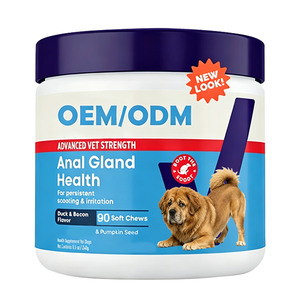
We offer end-to-end ODM/OEM services. You can select from our proven base formulations—such as high-density collagen powders, electrolyte mixes, or herbal complexes—or our research team will develop a custom formula tailored to your desired active levels, flavor profile, and price point. We handle blending, encapsulation, tableting, laboratory verification, and final packaging.
Every production lot undergoes rigorous screening in our on-site analytical laboratory. We test for heavy metals (Lead, Cadmium, Arsenic, Mercury), microbiological contamination (Total Aerobic Microbial Count, Yeast & Mold, E. coli, Salmonella), and physical parameters (particle size mesh distribution, bulk density). Results are documented in the Certificate of Analysis included with each shipment.
Standard export orders for raw bulk materials or stock finished SKUs typically ship within 1 to 2 weeks following quality release. Transpacific or transatlantic ocean transit to Hamburg generally takes between 14 to 28 days depending on direct vessel call schedules. Accelerated air freight options to Hamburg Airport (HAM) are available for urgent pharmaceutical or pilot batches.
Whether you require multi-ton raw material shipments of Ph. Eur. Ascorbic Acid to the Port of Hamburg or turn-key private label supplement manufacturing for your brand, our technical specialists are ready to support your supply chain.