In the global macro-nutritional ingredient landscape, establishing a resilient and verifiable supply chain for plant-based proteins is paramount for brand owners, food manufacturers, and pharmaceutical buyers. As premier Chinese plant protein manufacturers and global exporters operating under strict FDA 21 CFR Part 111 cGMP standards with legacy experience dating back to 1995, our operations bridge the gap between agrarian raw material processing and high-potency, clean-label finished dietary supplements.
"Information Gain Insight: Modern global protein procurement has shifted from simple cost-per-kilogram metrics to comprehensive Nitrogen-to-Protein conversion accuracy (N×6.25 vs N×5.7), heavy metal ICP-MS quantification thresholds, micro-encapsulated organoleptic masking performance, and full batch-level documentation packages."
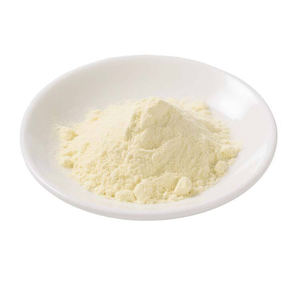
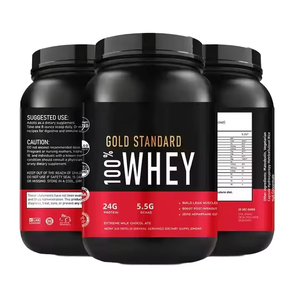
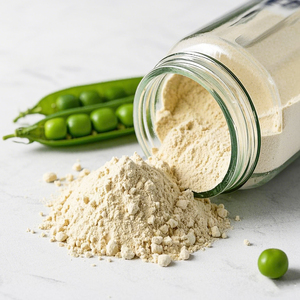
Unlike standard trading intermediaries, full-service contract manufacturing infrastructure consolidates raw material fractionation, enzymatic hydrolysis, agglomeration, micronization, and analytical batch validation under a unified Quality Management System (QMS). Every production lot of Soy Protein Isolate (SPI 90%), Yellow Pea Protein Isolate (80%–85%), and instantized whey blends undergoes rigorous quarantine and testing protocols prior to commercial release.
cGMP & Regulatory Rigor
Operated in strict compliance with 21 CFR Part 111, maintaining registered facility audits across NSF, Natural Products Association (NPA), and USDA Organic handling via QAI certification standards.
In-House Analytical Testing
On-site High-Performance Liquid Chromatography (HPLC) and Gas Chromatography-Mass Spectrometry (GC-MS) labs quantify amino acid profiles, heavy metals (Pb, As, Cd, Hg), and microbial limits per lot.
Global Export Documentation
Complete supply chain compliance including Certificate of Analysis (CoA), Certificate of Free Sale (CFS), Allergen & Non-GMO Declarations, BSE/TSE statements, and Kosher/Halal certifications on demand.
The global shift toward plant-forward diets, functional sports nutrition, and alternative protein analogs has drastically altered how international brand procurement managers evaluate Chinese ingredient exporters. China currently processes over 70% of the world's commercial soy protein isolates and holds a commanding lead in yellow pea protein extraction. However, the next decade of sourcing will be defined by five pivotal market transformations:
1. Transition to Clean-Label Water Extraction & Solvent-Free Processing
Traditional chemical hexane-defatting methods are rapidly being replaced by eco-friendly mechanical expression and aqueous enzymatic extraction. European and North American buyers are placing strict maximum residue limits (MRLs) on chemical solvents, incentivizing Chinese processors to invest in ultrafiltration membrane separation. This yield technology preserves native protein tertiary structures while eliminating chemical off-tastes.
2. PDCAAS Optimization via Multi-Source Plant Protein Blending
Single-source plant proteins often exhibit limiting amino acid profiles (e.g., legumes are low in methionine and cysteine, while cereal grains like rice are limited in lysine). Sourcing trends demonstrate a 42% increase in pre-blended isolates combining Pea + Rice + Pumpkin Seed proteins. This synergistic formulation achieves a PDCAAS (Protein Digestibility-Corrected Amino Acid Score) of 1.0, directly matching the biological complete-protein standard of dairy whey isolates.
3. High-Moisture Extrusion Technology (HMMA) for Meat Analogs
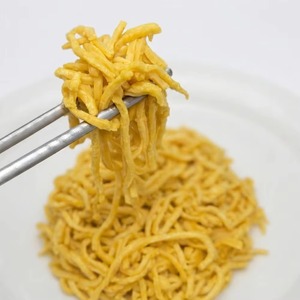
The export market is shifting from dry textured vegetable protein (TVP) powder toward specialized frozen plant-based strips and structured protein matrices (such as Non-GMO soybean egg strips and fibrous chicken-analog substrates). Utilizing advanced twin-screw High-Moisture Meat Analogue (HMMA) extrusion, Chinese suppliers now export ready-to-use plant protein foods featuring real muscle-like fibrous alignment and neutral baseline flavor profiles.
| Protein Category |
Protein Purity (%) |
Key Amino Acid Profile |
Solubility Index |
Primary Industrial Application |
| Soy Protein Isolate (SPI 90%) |
≥ 90.0% (Dry Basis) |
Rich in Lysine, Leucine, Glutamic Acid |
High (>85% NSI) |
Emulsified meats, protein beverages, meal replacements |
| Organic Pea Protein Isolate |
80.0% – 85.0% |
High BCAAs (Valine, Leucine, Isoleucine), Arginine |
Medium-High |
Hypoallergenic sports powders, vegan nutrition, gummies |
| Instantized Whey Protein Isolate |
≥ 90.0% |
Complete EAAs, High Leucine Spike |
Instant Soluble |
Post-workout recovery drinks, clinical nutrition, mass gainers |
| Textured Soybean Protein (HMMA) |
65.0% – 75.0% |
Balanced Soy Amino Acid Complex |
Insoluble (Fibrous Matrix) |
Vegan meat substitutes, frozen plant-based egg & muscle strips |
Formulating with plant proteins presents distinct bio-chemical hurdles compared to animal proteins. Brand managers must navigate challenge areas including grassy off-flavors, grittiness, high viscosity at high concentration, and thermal instability during pasteurization. Advanced Chinese contract manufacturers now implement modern bio-engineering techniques to resolve these issues during raw material manufacturing:
- Micro-Encapsulation & De-bittering Technology: Utilizing spray-drying microencapsulation with plant lecithin and natural cyclodextrins effectively traps volatile lipoxygenase compounds responsible for the traditional "beany" odor in soy and pea proteins.
- Enzymatic Cross-Linking (Transglutaminase Treatment): Modifying protein quaternary structures via controlled enzymatic reaction enhances gel strength, water-binding capacity, and fat-emulsification properties, crucial for high-protein bakery and meat substitute textures.
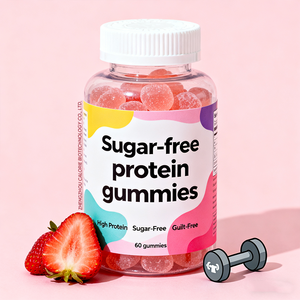
- Alternative Delivery Vehicles (Sugar-Free Protein Gummies): As consumer demand shifts away from large powders requiring shaker cups, proprietary thermal gelatinization allows up to 17g of high-purity protein isolate to be incorporated into sugar-free, Halal-certified vegan gummies without heat-denaturing the protein structure.
How do Chinese plant protein manufacturers verify non-GMO compliance and prevent cross-contamination?
Reputable Chinese suppliers implement stringent Identity Preservation (IP) systems from crop cultivation through fractionation. Raw soy and pea crops are sourced from certified non-GMO agricultural zones (primarily Northeast China for Non-GMO soybeans). PCR (Polymerase Chain Reaction) testing is performed on incoming raw batches to verify zero transgenic traits, backed by Eurofins or SGS third-party testing certificates.
What is the difference between Soy Protein Isolate (SPI) and Soy Protein Concentrate (SPC)?
Soy Protein Concentrate (SPC) typically contains approximately 70% protein on a dry weight basis, retaining the seed's soluble dietary fibers. Soy Protein Isolate (SPI) undergoes additional aqueous extraction and precipitation steps to remove carbohydrates and oligosaccharides (such as raffinose and stachyose), yielding a minimum 90% protein content. SPI is highly soluble, easily digestible, and eliminates the gastrointestinal discomfort/gas associated with raw legumes.
What heavy metal standards do your exported plant protein powders meet?
All batches destined for export to North America, the European Union, Australia, and East Asia comply with California Proposition 65 and EU Regulation (EC) No 1881/2006 for heavy metals. Our in-house ICP-MS testing guarantees limits well below standard thresholds: Lead (Pb) < 0.2 mg/kg, Arsenic (As) < 0.2 mg/kg, Cadmium (Cd) < 0.1 mg/kg, and Mercury (Hg) < 0.05 mg/kg.
Can your facility assist with custom flavor masking and private label packaging?
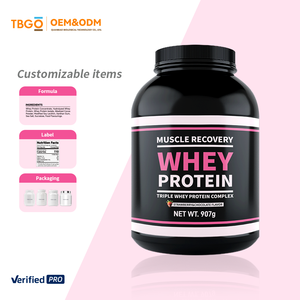
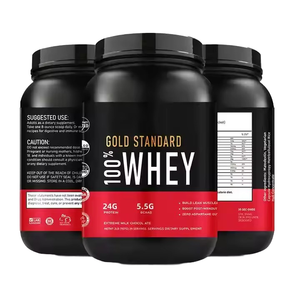
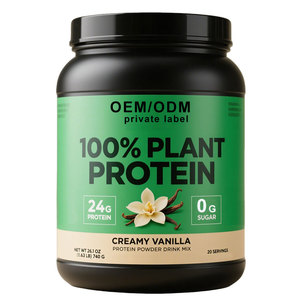
Yes. We provide complete turn-key OEM/ODM services. Our food technologists evaluate flavor chemistry (vanilla, Dutch chocolate, matcha, fruit blends) alongside natural stevia or monk fruit sweetener systems. In-house packaging lines support wide-mouth HDPE jars, gusset pouches, single-serve stick packs, vacuum-sealed bags, and bulk 20kg Kraft bags with polyethylene liners.
What are the standard lead times and export ocean freight arrangements?
Standard production for custom blended or private label protein powders ranges from 14 to 21 business days upon formula lock and packaging artwork approval. Raw bulk ingredient shipments (e.g., 20ft/40ft FCL container loads of SPI 90% or Pea Protein 80%) ship within 7 to 10 days from Qingdao, Tianjin, or Shanghai ports, accompanied by full customs clearance documentation packages.