Featured OEM/ODM Supplement Formulations & Bulk Products
Explore our flagship turn-key dietary supplement formulations manufactured under strict U.S. FDA 21 CFR Part 111 cGMP standards. From sports performance powders to functional wellness gummies, our facility delivers end-to-end contract manufacturing and private label packaging tailored for global distribution.
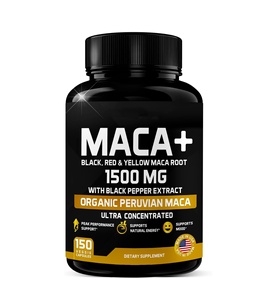
OEM/ODM Private Label 1500mg Maca Root Powder Capsules Red & Yellow Peruvian Herbal Supplements
Get a Quote
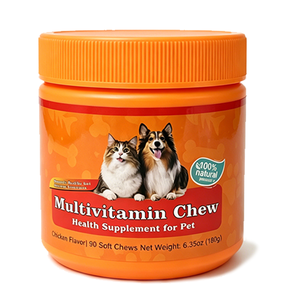
Solid Dog Health Supplement And Dog Probiotic For Daily Nutrition & Wellness
Get a Quote
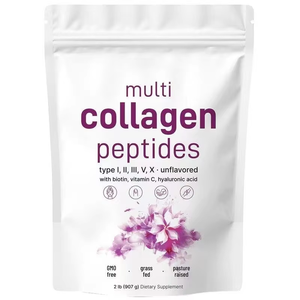
TikTok Hot Sale Complete Spectrum Collagen Peptides Vitamin C Powder Food Grade Keto-Friendly
Get a Quote
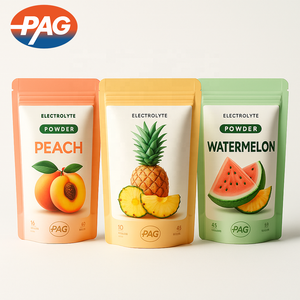
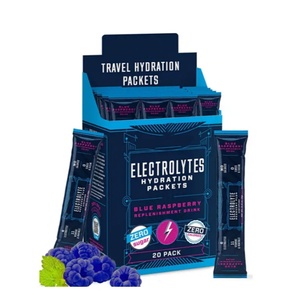
Private Label Sports Supplements Zero-Sugar Hydration Boost Bulk Electrolyte Powder Packets
Get a Quote
Multivitamin Energy Hydration Powder Packets Variety Pack Daily Electrolytes Drink Mix
Get a Quote
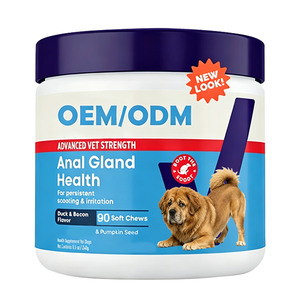
In Stock Premium Anal Gland Support And Dog Health Supplement For Digestive Health
Get a Quote
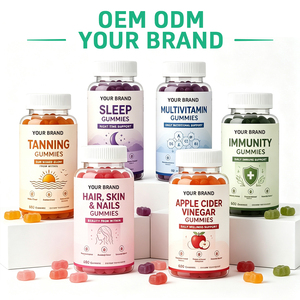
Custom Gummy Supplements - Private Label Soft Gummies for Vitamins & Functional Formulations
Get a Quote
Private Label Energy Pineapple Flavored Electrolytes Hydration Formula Powder Packets
Get a Quote
99.9%
HPLC Min Assay Purity
30+ Yrs
Manufacturing Heritage
200 Mesh
Ultra-Micronized Standard
0 Contaminant
DCD & DHT Safety Standard
Executive Sourcing Report: China’s Role in Global Creatine Monohydrate Supply Chains
Creatine Monohydrate (CAS 6020-87-7) remains the undisputed gold standard of sports nutrition, cellular bioenergetics, and healthy aging supplementation. Backed by thousands of peer-reviewed clinical studies, its capacity to rapidly regenerate adenosine triphosphate (ATP) during high-intensity cellular demands has transitioned Creatine from a niche bodybuilding supplement to a mainstream daily wellness staple. Today, global supply chains rely heavily on premier Chinese manufacturing ecosystems to meet escalating international demand across North America, Europe, the Middle East, and Asia-Pacific.
As a leading China Creatine Monohydrate Manufacturer & Factory, our facilities bridge advanced chemical synthesis, bio-fermentation innovations, and rigorous pharmaceutical-grade quality systems. We operate under full compliance with U.S. FDA 21 CFR Part 111 cGMP regulations, maintaining in-house analytical laboratories to ensure every batch exceeds global regulatory expectations for purity, stability, and safety.
Key Strategic Insight for Procurement Executives: Selecting a Creatine Monohydrate manufacturing partner requires looking far beyond basic pricing per kilogram. Advanced procurement strategies prioritize chemical purity profiles—specifically monitoring hazardous synthesis by-products such as Dicyandiamide (DCD), Dihydrotriazine (DHT), and heavy metal traces—alongside physical characteristics like bulk density and mesh size customization.
1. Technical Whitepaper: Chemical Synthesis, Impurity Control & Mesh Science
The industrial manufacturing of ultra-pure Creatine Monohydrate relies on the precise, controlled reaction between Sodium Sarcosinate and Cyanamide in aqueous solution under elevated pH and temperature conditions. While this synthesis route is highly efficient, minor deviations in temperature control, crystallization speeds, or raw material purity can yield unwanted chemical impurities.
Chemical Purity & Assay Control
Our automated synthesis lines guarantee a minimum 99.9% assay purity verified via High-Performance Liquid Chromatography (HPLC). We enforce stringent raw material vetting for Sodium Sarcosinate to eliminate precursor contamination at the source.
Toxicological Impurity Profiling
Industrial synthesis can inadvertently generate toxic by-products. Our proprietary multi-stage recrystallization process guarantees Dicyandiamide (DCD) ≤ 20 ppm and Dihydrotriazine (DHT) as Undetectable, far outperforming standard European and U.S. Pharmacopeial guidelines.
Particle Mesh Customization
Physical behavior dictates consumer satisfaction. We offer standard coarse crystals (80 mesh), 200 mesh ultra-micronized powder for instantaneous dispersion, and specialized granulated forms optimized for high-speed tablet compression and capsule filling.
Comprehensive Specification Matrix (Pharma vs. Food Grade)
To assist brand owners, quality managers, and regulatory officers in verifying compliance, the matrix below outlines our standard production benchmarks against international dietary supplement standards:
| Test Parameter |
Testing Methodology |
Standard Food Grade |
Pharmaceutical / Premium Grade |
| Creatine Monohydrate Assay |
HPLC |
≥ 99.0% |
≥ 99.9% (Dry Basis) |
| Dicyandiamide (DCD) |
HPLC |
≤ 50 ppm |
≤ 20 ppm (Strict Trace Control) |
| Dihydrotriazine (DHT) |
HPLC / LC-MS |
≤ 3 ppm |
Negative / Undetectable |
| Creatinine Content |
HPLC |
≤ 100 ppm |
≤ 50 ppm |
| Heavy Metals (as Pb) |
ICP-MS |
≤ 10 ppm |
≤ 3 ppm (Lead < 0.5ppm, Arsenic < 0.5ppm) |
| Loss on Drying |
Gravimetric (105°C) |
≤ 12.5% |
11.5% – 12.5% (Ideal Hydrate Form) |
| Total Plate Count |
USP <2021> |
≤ 1,000 CFU/g |
≤ 100 CFU/g (Microbial Shield) |
| Yeasts & Molds |
USP <2021> |
≤ 100 CFU/g |
≤ 10 CFU/g |
| Pathogens (E. coli, Salmonella) |
USP <2022> |
Negative / 10g |
Absent / 25g |
2. Future Sourcing Trends in Bulk Creatine Procurement (2025–2030)
The global landscape for nutraceutical procurement is undergoing a structural transformation. Brand owners are moving away from spot-market trading in favor of direct, transparent partnerships with verified original equipment manufacturers (OEM) and factories. Understanding market shifts allows procurement directors to mitigate supply chain volatility and maintain high margins.
A. Evolution toward Clean Label & Zero Micro-Contaminant Guarantees
Modern consumers actively inspect third-party lab verification certificates before purchasing sports supplements. Marketplace algorithms on platforms such as Amazon, TikTok Shop, and iHerb prioritize products backed by recognized safety certifications (e.g., NSF Certified for Sport, Informed-Choice, non-GMO, and ISO 17025 accredited testing). Forward-thinking brands are demanding that primary raw material manufacturers supply full analytical transparency at the raw powder stage—eliminating testing failures post-encapsulation or filling.
B. Synergistic Formulations: Beyond Standalone Creatine Powder
While pure micronized powder remains a high-volume seller, market data indicates rapid revenue growth in multi-active functional stacks. Innovators are combining Creatine Monohydrate with complementary functional actives:
- Hydration & Osmolality Boosters: Blending Creatine with sodium, potassium, and magnesium citrate electrolytes to accelerate cellular hydration (as featured in our private label hydration drink packets).
- Nootropic & Cognitive Blends: Pairing Creatine with L-Theanine, Alpha-GPC, and organic Maca root extracts to target brain energy metabolism and mental performance.
- Beauty-from-Within & Healthy Aging: Integrating Creatine into hydrolysed collagen peptide powders to support lean muscle maintenance alongside bone density and skin elasticity.
C. Environmental Sustainability & Energy Efficient Synthesis
Global regulatory bodies, including the EU Green Deal and international carbon reporting protocols, are placing greater scrutiny on chemical plant emissions, water treatment, and waste-heat recovery. Premier Chinese factories are investing heavily in closed-loop chemical filtration systems, solar-assisted drying suites, and eco-friendly packaging solutions. Contract partners equipped with environmental management certifications (ISO 14001) offer brands a decisive advantage when fulfilling corporate ESG commitments.
3. Why Partner with Our Facility: Integrated Manufacturing Advantages
Selecting Bactolac Pharmaceutical and our partner manufacturing facilities provides a direct path to stable, scalable, high-margin product launches. Operating over 30 years in contract nutraceutical manufacturing, we combine raw material synthesis advantages with U.S.-compliant finishing expertise under one quality system.
Full Regulatory Compliance & Certifications
Our operations comply fully with FDA 21 CFR Part 111 cGMP standards. Our plants carry third-party audits and certifications including NSF GMP, NPA Membership, USDA Organic handling through QAI, alongside Kosher and Halal production capabilities upon request.
In-House Analytical & Micro Laboratories
Every lot undergoes rigorous quarantine and testing prior to release. Our on-site analytical and microbiological laboratories utilize HPLC, Mass Spectrometry, and ICP-MS to verify potency, screen heavy metals, check microbial limits, and measure disintegration speeds.
End-to-End Turn-Key OEM/ODM Formulations
From custom powder blending (collagen, electrolytes, greens, pre-workouts) to encapsulation, tableting, soft gummies, single-serve stick packs, wide-mouth jar filling, and automated induction-seal labeling—we provide a seamless, single point of accountability.
Streamlined Global Export Documentation: We simplify international clearance for distributors and brand managers. Every bulk shipment or finished private-label product comes complete with batch Certificate of Analysis (COA), Certificate of Free Sale (CFS), Allergen Statements, Non-GMO Declarations, and BSE/TSE Compliance Documentation.
4. Frequently Asked Questions (FAQ) for B2B Sourcing & Procurement
Below are authoritative responses to the primary technical, operational, and regulatory questions raised by procurement managers and brand owners during facility qualification:
What is the difference between standard 80 Mesh and 200 Mesh Micronized Creatine?
Standard 80 mesh Creatine Monohydrate possesses larger particle sizes, which are ideal for high-speed tablet compression or low-cost capsule filling. However, 200 mesh powder undergoes an additional air-jet micronization process. This reduces the average particle size down to under 75 microns, dramatically increasing surface area. As a result, 200 mesh micronized powder dissolves significantly faster in water, eliminates gritty mouthfeel, and reduces stomach discomfort for the end consumer.
How do you prevent Dicyandiamide (DCD) and Dihydrotriazine (DHT) contamination?
DCD and DHT are hazardous synthesis by-products that form when raw cyanic precursors react under sub-optimal conditions. Our manufacturing facilities utilize automated reaction control systems that precisely maintain pH, temperature, and stoichiometry during synthesis. Furthermore, we run raw crystals through a proprietary multi-stage hot-water recrystallization cycle, followed by in-house HPLC testing to confirm DCD levels remain below 20 ppm and DHT remains undetectable before batch clearance.
Can you assist with custom supplement formulation and flavor development?
Yes. Our in-house formulation scientists and food technologists assist brands with complete turn-key product creation. We evaluate active ingredient interactions, excipient compatibility, flowability, moisture resistance, and shelf-life stability. Our flavor chemists specialize in masking bitter active botanicals and amino acids, developing delicious custom flavor profiles for drink mixes, stick packs, and functional gummy supplements.
What certifications and testing documentation accompany bulk or OEM shipments?
Every batch shipped from our facility carries a detailed Certificate of Analysis (COA) issued by our accredited quality laboratory. Standard documentation packages include HPLC purity assay, heavy metal analysis (Pb, As, Hg, Cd), full microbiological screening, physical density metrics, Certificate of Free Sale (CFS), allergen declarations, and non-GMO statements required for international import customs.
What are your minimum order quantities (MOQ) and standard lead times?
Minimum order quantities depend on the selected packaging format. For bulk raw material powder, standard MOQs start at 500 kg – 1,000 kg. For custom private-label packaged goods (e.g., custom labeled jars, stick packs, or printed pouches), MOQs typically range between 3,000 to 5,000 units. Standard production lead times run 3 to 5 weeks following raw material clearance and label art approval.
Do your facilities support private label packaging and custom dosage forms?
Absolutely. In addition to raw bulk powder supply, we operate high-speed automated packaging suites. We handle powder blending, encapsulation (two-piece gelatin and veggie capsules), tableting (chewable, sublingual, bi-layer, effervescent), soft gummies, wide-mouth jar filling, gusset bag packing, single-serve sachet production, shrink wrapping, and retail display box assembly.
How does Creatine Monohydrate compare to alternative forms like Creatine HCL or Buffered Creatine?
While alternative forms like Creatine Hydrochloride (HCL) or Buffered Creatine (Kre-Alkalyn) claim higher solubility or lower dosage requirements, clinical literature overwhelmingly identifies Creatine Monohydrate as the most bioavailable, effective, and thoroughly studied form. Monohydrate boasts an oral bioavailability exceeding 99%. From a procurement standpoint, Creatine Monohydrate delivers superior cost-per-gram efficiency and widespread consumer acceptance.
How are stability and shelf-life verified for exported products?
We conduct real-time and accelerated stability testing in accordance with ICH guidelines. Samples are monitored inside environmental chambers under controlled temperature and humidity conditions (e.g., 40°C / 75% RH for accelerated testing). Parameters such as moisture uptake, creatinine breakdown, assay loss, and microbial growth are evaluated at 0, 3, 6, 12, 24, and 36-month intervals to guarantee label claims over full shelf life.
Request a Factory Direct Quotation & Sample Kit
Partner with China’s premier Creatine Monohydrate manufacturer and cGMP contract facility. Contact our technical sales engineering team to receive specification sheets, HPLC test reports, and competitive factory-direct pricing for bulk powder or custom OEM/ODM packaging.
Get a Quote