
30+ Years of Nutraceutical Manufacturing cGMP 21 CFR 111 · NSF Registered GMP
Hauppauge, New York, USA (631) 951-4908
0%

China’s sports-nutrition market includes manufacturers producing protein powders, recovery drinks, and convenient single-serve products. Yet “top” should not mean simply popular or inexpensive. Buyers need to examine ingredient transparency, production controls, testing practices, and the manufacturer’s ability to provide consistent documentation. A polished package is easy to notice. Reliable quality takes closer inspection.

Post-Workout Supplements can support practical recovery routines, but they are not substitutes for adequate meals, fluids, sleep, or individualized advice. Exercise physiologist and sports nutrition researcher Dr. Stacy Sims is known for the concise reminder, “Women are not small men.” Her point concerns sex-specific exercise science, but it also cautions against assuming one formulation suits every athlete. Needs vary. Training load, diet, allergies, and personal tolerance all matter.

This article explores China’s leading Post-Workout Supplements manufacturers and the questions worth asking before choosing a supplier. We will consider product categories, formulation capabilities, quality assurance, and communication with international buyers. Readers should request current certificates and test reports rather than rely on broad claims alone. Details matter. A small label difference can change how a product fits a customer’s routine. Manufacturer rankings can also shift as capabilities and evidence change, so this overview should be treated as a starting point—not a guarantee. The most useful choice is the one supported by verifiable records, clear specifications, and realistic claims.
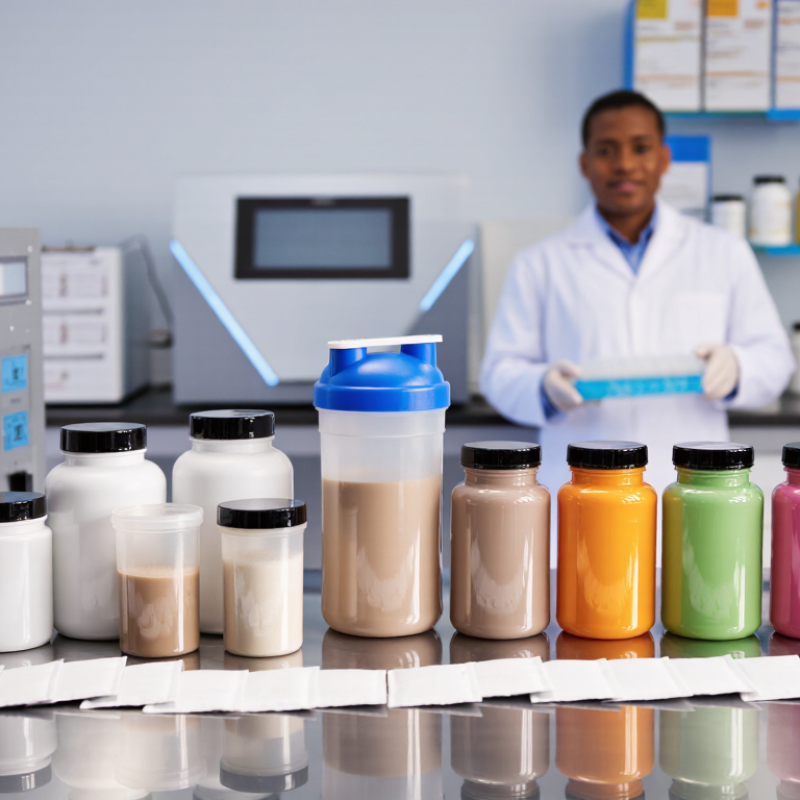
China Top Post Workout Supplements Manufacturers?

Understanding Post-Workout Supplements and Their Role in Recovery

Post-workout supplements are designed to support recovery after exercise, but they do not replace meals, sleep, or sensible training. Their usefulness depends on the workout, a person’s diet, and individual needs. A long, sweaty cycling session creates different demands than a short strength workout. Context matters.

Protein can provide amino acids for muscle repair, while carbohydrates help replenish energy used during demanding or extended exercise. Fluids and electrolytes may also be useful after heavy sweating, especially in hot conditions.

Keep it practical. A balanced meal with yogurt, fruit, and oats can cover several recovery needs. If a supplement is more convenient, check its serving size, ingredient list, and nutrition information rather than relying on bold claims.

Recovery is not perfectly predictable, and I sometimes find that hunger, sleep, and training load explain more than a powder does.

Manufacturers should provide clear, consistent product information and take quality control seriously. For consumers, third-party testing can offer additional reassurance about identity and purity, though it does not guarantee a product will suit everyone.

People with medical conditions, allergies, or special dietary needs should ask a qualified health professional before using supplements. Start by noticing how you feel after training, and avoid treating soreness as proof that you need a particular product.

China’s Post-Workout Supplement Manufacturing Landscape

China’s post-workout supplement manufacturing landscape includes facilities producing protein powders, carbohydrate blends, electrolyte mixes, and ready-to-mix drink formats. Capabilities vary widely. Some factories focus on large production runs, while others offer smaller batches and custom formulations. Buyers should assess whether a manufacturer can handle the exact product type, packaging, and order volume they need.

Details matter. A reliable evaluation goes beyond a product catalogue. Ask how ingredients are checked on arrival, how batches are traced, and whether finished products receive suitable quality testing. Review documentation for manufacturing controls and confirm that labels and claims meet the rules in the intended sales market. A smooth sample process is useful, but it does not prove that every later batch will match. Request clear specifications and compare samples against them.

The landscape is not perfectly uniform, and that can make supplier comparisons difficult. One factory may offer flexible blending but limited packaging options; another may have efficient packing lines but less room for formulation changes. Production schedules, communication, and sample-to-batch consistency deserve attention too. The best fit is not always the largest operation. It is the manufacturer whose verified capabilities align with the product, volume, and quality expectations.

Common Products and Formulations Made by Chinese Manufacturers

China Top Post Workout Supplements Manufacturers?

Common Products and Formulations Made by Chinese Manufacturers

Chinese manufacturers commonly produce post-workout powders, ready-to-mix blends, protein bars, and electrolyte drinks. Whey concentrate and isolate are widely used in protein powders. Plant-based versions may combine pea and rice proteins to create a broader amino acid profile. Formats vary.

Some formulas pair protein with carbohydrates, such as maltodextrin, to support convenient energy intake after training. Electrolyte blends often include sodium and potassium, while flavored powders may use cocoa, fruit powders, or non-sugar sweeteners. Creatine is also used in some multi-ingredient products, though formulations and serving sizes differ. The category is less tidy than a label suggests.

For buyers, ingredient details matter more than broad claims. Check protein content per serving, allergen statements, flavoring ingredients, and whether testing covers identity and contaminants. Ask for batch-specific documentation, not only a general factory certificate. Manufacturing capabilities vary between facilities, and a polished sample may not match routine production. It is worth checking that distinction. Individual needs also differ, so these products should not be treated as a substitute for balanced meals or personalized professional advice.

China’s Post-Workout Supplement Manufacturers: Common Products and Formulations

Typical protein amounts in common post-workout product formats

Ranges are illustrative formulation examples, not market averages; actual serving sizes and labels vary. Recovery blends may also include carbohydrates, while some products add ingredients such as creatine. When rapid glycogen replenishment is needed, sports-nutrition guidance commonly recommends about 1.0–1.2 g of carbohydrate per kg of body weight per hour during the first four hours after exercise.

How to Evaluate China-Based Supplement Manufacturers

China Top Post Workout Supplements Manufacturers?
How to Evaluate China-Based Supplement Manufacturers

Choosing a post-workout supplement manufacturer requires more than comparing prices or touring a polished factory. Ask for current quality certificates, their scope, and the facility address they cover. The FDA’s 21 CFR Part 111 sets current good manufacturing practice requirements for dietary supplements. Request written procedures for ingredient approval, batch records, testing, and handling production deviations. Details matter. Can the supplier trace a finished lot back to each ingredient shipment?

Review product-specific test reports, not just a generic certificate. For a protein blend, check whether the report covers identity, protein content, and relevant contaminants. Confirm the laboratory, test methods, sample date, and batch number. The CRN 2023 Consumer Survey found that 74% of U.S. adults used supplements, with 55% taking them regularly. That consumer demand makes dependable quality controls important, but the survey does not prove any supplier’s performance. Keep that distinction clear.

Check whether independent certification applies to the exact product or only the manufacturing site. Ask how complaints, failed tests, and corrective actions are documented. Request a sample batch record and compare it with the finished-product label. One detail is easy to miss: certificates can expire or cover a different production location. No supplier is flawless; the meaningful question is whether problems are recorded, investigated, and corrected. A video call helps, but it cannot replace verifiable records and appropriately scoped audits.

China Top Post Workout Supplements Manufacturers? - How to Evaluate China-Based Supplement Manufacturers

Evaluation Area What to Check Useful Evidence to Request Positive Indicators and Cautions
Business and Facility Authorization Confirm the legal entity, manufacturing address, and authorization relevant to the product category and destination market. Business registration details; applicable food-production license; facility address; current audit or inspection records where available. Check that documents match the contracting entity and actual production site. Requirements vary by product and sales market.
Product and Market Compliance Ask how the manufacturer supports compliance for the intended destination, product format, ingredients, and label claims. Ingredient specifications; draft label review; export documentation examples; applicable product registration or notification records, if required. A facility registration or certificate alone does not establish that a finished product is approved for sale. Verify requirements with the destination market’s regulator or a qualified compliance specialist.
Quality Management System Review written procedures for supplier approval, production controls, sanitation, deviations, corrective actions, and product release. Quality manual or audit summary; certificate copies; issuing-body details; certificate scope and expiry date. Confirm certificates with the issuer and check that the named site and scope cover the work being quoted. Do not treat a certificate as a substitute for product testing or an audit.
Ingredient Traceability Check whether key ingredients can be traced from approved suppliers through receiving, production, and finished-product batches. Ingredient specifications; supplier qualification process; lot records; allergen and origin information where relevant. Clear lot-level records and documented change control support traceability. Ask how supplier or ingredient substitutions are approved.
Post-Workout Formulation Review the declared amounts and specifications for relevant ingredients, such as protein, creatine, or electrolytes, if included in the formula. Formula sheet; ingredient specifications; serving-size calculations; mixing and stability information for the intended format. The manufacturer should explain how the formula is produced and tested without promising unsupported performance, recovery, or health outcomes.
Finished-Product Testing Establish which tests are performed on each batch and whether methods match the product and relevant risks. Recent batch-specific certificates of analysis; test methods; laboratory details; acceptance criteria for identity, composition, and applicable contaminants. A certificate of analysis should identify the tested sample and batch. Confirm whether testing is conducted in-house or by an independent laboratory and what each result covers.
Contaminant and Allergen Controls Ask how risks such as heavy metals, microbiological contamination, undeclared allergens, and cross-contact are assessed and controlled. Risk assessment; cleaning and allergen-control procedures; relevant test results; recall and complaint procedures. Testing should be risk-based and appropriate to ingredients, product type, and market requirements. Request records rather than relying on general assurances.
Production Capability Confirm that the site can manufacture the requested dosage form, batch size, packaging, and product variants. Process flow; equipment list; sample production records; packaging specifications; production and release lead-time estimates. Assess the actual production site and process, not just a sales office or trading company. Ask which steps are subcontracted.
Stability and Packaging Determine whether the product and packaging have been assessed for the expected storage conditions and shelf life. Stability protocol and available results; packaging material specifications; storage and handling recommendations. Shelf-life claims should be supported by suitable data. Confirm that packaging protects the product and meets destination-market labeling requirements.
Contract and Change Control Clarify specifications, ownership of formula and artwork, confidentiality, rejected batches, recalls, and approval of changes. Draft manufacturing agreement; product specification; change-control process; complaint and recall responsibilities. Written terms reduce ambiguity. Confirm that no ingredient, supplier, site, or process change is made without the agreed notification and approval process.
Export and Communication Readiness Evaluate experience with the intended shipping route, required documents, packaging language, and communication schedule. Redacted export-document examples; shipment and packaging workflow; named quality and account contacts; written quotation. Compare suppliers using the same specifications and delivery terms. Treat quoted capacity, minimum order quantities, and lead times as supplier-specific claims to verify in writing.

Note: This table is a supplier-evaluation framework, not a ranking or certification of individual manufacturers. Applicable requirements depend on the product and destination market.

Key Factors in Choosing a Manufacturing Partner

A capable manufacturing partner should show how each post-workout product is made, checked, and traced. Ask for written procedures covering ingredient receipt, weighing, blending, filling, and batch release. For powders, look for controls against mix-ups and moisture, plus appropriate microbiological and contaminant testing. Request recent, relevant test records rather than relying on a certificate alone. Details matter.

In China, confirm that the facility’s certifications match the actual site and product category. Ask who performs testing, how failed results are handled, and whether batch records and raw-material documents can be reviewed. A clear answer is a good sign. Vague assurances are not.

Check sample consistency, packaging quality, minimum order quantities, lead times, and how formula changes are approved. A small pilot run can reveal issues that a polished presentation will not.

No factory is perfect, and I would treat unusually fast promises with care. Compare evidence, communication, and corrective-action records before choosing a partner.

FAQS

What do post-workout supplements do?

They may support recovery after exercise. Protein provides amino acids for muscle repair, while carbohydrates help restore energy after demanding sessions.

Can supplements replace a balanced meal?

No. A bowl of yogurt, fruit, and oats can provide useful recovery nutrients. Supplements are mainly convenient.

When might fluids and electrolytes be useful?

They may help after heavy sweating, especially in hot weather. A short workout may not create the same need.

What should I check before choosing a supplement?

Review the serving size, ingredients, and nutrition information. Bold claims are less useful than clear details.

Does soreness mean I need a recovery supplement?

Not necessarily. Hunger, sleep, and training load may explain how you feel. I sometimes forget how much sleep matters.

What should a manufacturing partner explain?

Ask for written procedures covering ingredient receipt, weighing, blending, filling, and batch release. Details matter.

How can I assess a powder’s quality controls?

Check for controls against mix-ups and moisture, plus relevant testing. Request recent test records, not just a certificate.

What should I check when reviewing a facility in China?

Confirm that certifications match the actual site and product category. Ask who tests samples and how failed results are handled.

Why consider a small pilot run?

It can reveal inconsistent samples, packaging problems, or unclear formula changes. A polished presentation cannot show everything.

What deserves caution when comparing manufacturers?

Compare records, communication, lead times, and corrective actions. I would question unusually fast promises. No factory is perfect.

Conclusion

Post-Workout Supplements can support recovery after exercise by helping people replenish nutrients and meet their individual training goals. China has a broad manufacturing landscape, with facilities producing products such as protein powders, amino acid blends, hydration formulas, and convenient ready-to-mix options. Formulations vary in ingredients, serving formats, and intended uses, so buyers should assess whether a product concept fits their audience and quality expectations.

When evaluating China-based manufacturers, consider their production capabilities, ingredient sourcing, quality-control procedures, testing practices, communication, and experience with the desired product format. Clear documentation and consistent processes can help buyers compare potential partners and reduce uncertainty. Choosing a manufacturing partner involves more than price: production capacity, product development support, lead times, transparency, and long-term reliability all matter. A careful evaluation can help businesses identify a suitable partner for developing dependable post-workout products.

Charlotte

Charlotte

Charlotte is a dedicated marketing professional with extensive knowledge of the company’s products, services, and customer-focused solutions. Through her clear, practical, and insightful writing, she helps readers better understand how the company supports businesses and individuals in achieving......