
30+ Years of Nutraceutical Manufacturing cGMP 21 CFR 111 · NSF Registered GMP
Hauppauge, New York, USA (631) 951-4908
0%

Buying Electrolyte Drink Mixes in bulk can lower the cost per serving, but a large tub is only a bargain if you will use it. Before ordering, check the serving count, cost per serving, ingredient list, and best-before date. Compare sodium and other electrolytes with your needs and the product’s intended use; more is not automatically better. Dr. Stacy Sims, an exercise physiologist and nutrition scientist, emphasizes that hydration needs vary between individuals and situations. That perspective is useful when comparing products, but it does not replace personal medical advice.

The seven tips ahead focus on practical checks: matching the mix to your routine, reading nutrition labels, comparing flavors, checking package sizes, reviewing storage guidance, and calculating the real unit price. Look closely at the scoop size and servings per container. A low sticker price can hide a smaller serving count. If possible, try a single-serving packet before committing to a bulk case. Taste matters. So does convenience. A powder that clumps in your bottle or feels too sweet may sit untouched in the pantry.

Bulk buying also calls for a little restraint. Consider how quickly you will use the product, where you will store it, and whether the seal protects the powder from moisture. Check the seller’s return policy and product details, especially when purchasing online. These checks are not exciting, and I might still miss one on a rushed order. That is worth remembering. A dependable choice is the one whose ingredients, serving size, flavor, and price fit your actual habits—not merely the biggest package on the shelf.
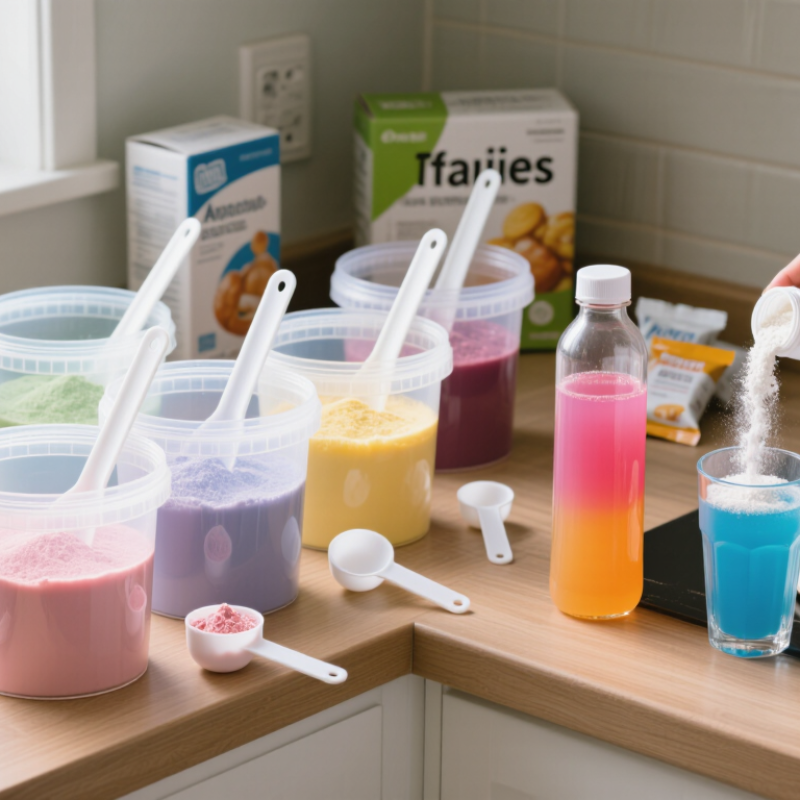
7 Tips for Buying Electrolyte Drink Mixes in Bulk

Assess Your Hydration Needs and Expected Usage

Before buying electrolyte drink mix in bulk, track when you actually use it for two or three typical weeks. Note the number of servings during long workouts, hot outdoor shifts, or travel days. Everyday activity may not require an electrolyte drink; water and regular meals are enough for many people. Needs vary with heat, sweat, exercise duration, and personal health. If you have a condition affecting fluid or sodium balance, ask a healthcare professional for individual guidance.

Tip: Estimate from your real routine, not your most ambitious one. Count servings per week, then multiply by the weeks you expect the supply to last. Leave room for changes. A skipped workout can make a large tub last much longer than planned, and that is easy to overlook.

Before choosing a bulk size, check the serving count, best-before date, and storage directions. Think about where the container will live: a warm, damp cupboard may not be ideal. Smaller packets can suit a gym bag, while a large pouch may be practical at home. Compare the cost per serving, too. Bulk is not automatically cheaper. If you have never tried a mix, consider a small amount first; flavor fatigue is real, and I would rather admit that than end up with a half-used container.

Compare Electrolyte Formulas, Ingredients, and Serving Sizes

When comparing electrolyte formulas, start with the amount of sodium per serving, then check potassium and other added minerals. Needs vary with activity, heat, and sweat loss, so a higher number is not automatically better. A label showing 300 milligrams of sodium per scoop is easier to compare than a vague “electrolyte blend.” Labels can mislead.

Read the ingredient list as carefully as the nutrition panel. Some mixes include sugar or other carbohydrates; others use non-sugar sweeteners or flavorings. Consider what you’ll actually drink during a workout or long day, and try a single serving before ordering a large case. Small differences matter. A powder that tastes too salty or overly sweet may sit unused, even if its formula looks ideal.

Serving size affects both cost and convenience. Compare price per prepared serving, not just price per bag, and check whether the scoop matches the listed serving weight. A pouch with 30 servings may provide fewer drinks if you prefer a lighter mix. Also inspect the seal, storage directions, and best-by date before buying in bulk. I’d still leave room for preference: label comparisons narrow the choice, but taste can be stubborn.

Calculate the True Cost per Serving

When comparing bulk electrolyte drink mixes, start with the serving count, not the container size. Check the scoop size and electrolyte amounts; a labeled serving may be smaller than the portion you usually mix. Divide the full checkout price, including shipping and tax, by the servings you expect to use. That gives a more realistic cost per serving. Check the math.

Tip: compare equal portions. For example, a $36 tub with 60 servings costs 60 cents per labeled serving. A $24 tub with 30 servings costs 80 cents. But that comparison only helps if the servings provide similar amounts of electrolytes and suit the way you mix your drink. If you need two scoops, count that as two servings. The cheaper tub may not be cheaper after all.

Tip: estimate usable servings, too. Spilled powder, clumping from moisture, or a product you do not finish can raise the real cost. Check the package’s storage guidance and date, especially before buying a large supply. Bulk pricing can look persuasive on a shelf. It is only a saving when you use the mix as intended, at a portion size that works for you. A little uncertainty remains: your actual use may vary from week to week.

Check Shelf Life, Storage Conditions, and Packaging

Buying electrolyte drink mix in bulk only saves money if the powder stays dry and usable. Check each lot’s best-before date, not just the carton’s date. Ask the supplier for shelf-life data for the exact formula and package. Keep lots separate. A date alone is not a storage plan.

Tip: Store sealed cases in a cool, dry place, off concrete and away from sunlight, steam, and cleaning chemicals. FAO’s 2019 State of Food and Agriculture estimated that 14% of food is lost between harvest and retail. That figure is not specific to drink mixes, but it highlights the value of careful storage and handling. Use a thermometer and humidity monitor if stock turns slowly. Keep opened tubs tightly closed.

Tip: Inspect deliveries for damp cartons, punctured sachets, clumping, or unreadable lot codes. Choose packs with intact seals and moisture-barrier packaging. Avoid oversized tubs that stay open during daily scooping. Follow the manufacturer’s storage instructions; refrigeration may cause condensation and wet the powder. Rotate stock by date, and record when containers are opened. I’d check a few packs monthly. It takes time, but a damaged case costs more.

7 Tips for Buying Electrolyte Drink Mixes in Bulk - Check Shelf Life, Storage Conditions, and Packaging

Tip What to Check Why It Matters Practical Buying Check
1. Check the date and shelf-life guidance Look for the best-before date, lot code, and any storage or use-by instructions on the package. A bulk purchase may take longer to use. Shelf life varies by product and packaging, so do not assume all mixes have the same date range. Estimate how many servings you will use before the printed date, and ask for the date on the lot being supplied if it is not shown before purchase.
2. Confirm storage conditions Check the label for temperature, moisture, and light guidance; keep unopened stock in a cool, dry place unless the package says otherwise. Heat and humidity can affect powdered products and packaging. Storage instructions are product-specific. Make sure your storage area is dry and away from direct sunlight, heaters, and sources of steam or water.
3. Inspect the package format Compare single-serve sachets, resealable pouches, and tubs. Check that seals are intact and closures can be secured after opening. Packaging affects portioning, convenience, and how easily the product can be protected from air and moisture after opening. Choose individual sachets for portability or measured portions; choose a resealable format only if it can be closed tightly between uses.
4. Calculate the cost per serving Use the total price and labeled servings per package, rather than comparing package weight alone. Serving sizes and concentrations can differ, so price per serving gives a more useful comparison than price per container. Divide the package price by the number of labeled servings, then compare products with similar serving directions.
5. Review the nutrition and ingredient information Compare sodium, potassium, carbohydrates, sugars, serving size, and ingredient lists on the Nutrition Facts or equivalent label. Formulas vary. Checking the label helps you select a mix that suits your preferences and dietary needs. Check for ingredients you avoid and consult a qualified health professional if you need guidance about electrolyte intake or a medical condition.
6. Buy a small quantity before committing If possible, test a smaller pack for taste, mixability, and tolerance before ordering a case or large-format container. A bulk discount may not be worthwhile if the flavor or preparation is not a good fit for regular use. Prepare a serving using the directions on the label, including the stated amount of water.
7. Plan stock rotation and handling after opening Check whether the label gives a specific after-opening instruction. Keep the original label and use older stock before newer stock. The printed date and storage directions remain important after purchase; opening can expose powder to air and humidity. Mark the opening date if useful, close the package promptly, use a clean, dry scoop, and follow the package instructions.

Verify Supplier Reliability, Shipping, and Return Policies

Tip: Vet the supplier before committing to a pallet. Ask for two recent trade references, a physical business address, and written lead times. Request current product specifications and lot documentation, then compare them with a sample. A neat catalog proves little. If replies slow down before payment, support may be slower when a shipment arrives short or damaged.

Tip: Record shipping details, not just the freight quote. Confirm pallet count, carrier, dispatch date, delivery window, and who pays for liftgate or redelivery charges. Ask how the mix is protected from moisture and crushing. Photograph the sealed pallet on arrival, and note visible damage on the delivery receipt before signing. Worth checking.

Tip: Read return and claims terms before ordering. The 2024 National Retail Federation and Happy Returns report estimated $890 billion in U.S. retail returns, equal to 16.9% of sales. This broad retail figure is not specific to drink mixes, but it shows why return rules deserve attention. Check claim deadlines, unopened-goods requirements, restocking fees, and refund or replacement options. One awkward detail: freight costs and opened cartons may be excluded, so get exceptions in writing.

7 Tips for Buying Electrolyte Drink Mixes in Bulk

Verify supplier reliability, shipping, and return policies before placing a large order.

How to use this chart: The bars count the checklist items in each category; they are not market statistics.

Supplier (3): Confirm business details, request product documentation, and check recent customer feedback. Shipping (2): Verify delivery costs and timelines, and confirm how orders are tracked. Returns (2): Review the return window and check who pays return shipping and whether opened products are eligible.

FAQS

How can I estimate how much electrolyte mix I will use?

Track your use for two or three typical weeks. Count servings during long workouts, hot shifts, and travel days. Leave room for routine changes.

Do I need an electrolyte drink every day?

Not always. Water and regular meals may be enough for everyday activity. Heat, sweat, workout length, and personal health can affect your needs. Ask a healthcare professional if a condition affects your fluid or sodium balance.

What should I check before choosing a bulk size?

Check servings, best-before dates, and storage directions. Consider where the container will sit. Smaller packets fit a gym bag; a large pouch may suit home use. Try a small amount if you have not tasted the mix before.

How do I calculate the real cost per serving?

Add shipping and tax to the price, then divide by the servings you expect to use. For example, a $36 tub with 60 servings costs 60 cents per labeled serving. Check the math.

Can the labeled serving size affect the comparison?

Yes. Scoop sizes and electrolyte amounts can differ. Compare similar portions. If you use two scoops, count that as two servings. The lower-priced tub may not be cheaper.

How should I store a bulk supply?

Keep sealed packs in a cool, dry place, away from sunlight, steam, and cleaning chemicals. Store them off concrete. Close opened tubs tightly. Refrigeration may cause condensation and dampen the powder.

What should I look for when a delivery arrives?

Check for damp cartons, punctured packets, clumping, and unreadable lot codes. Keep lots separate and rotate stock by date. A date alone is not a storage plan.

How can I avoid wasting a large container?

Estimate from your real routine, not your most ambitious one. Skipped workouts can leave extra powder unused. Flavor fatigue is real, and I still sometimes overestimate what I’ll use. Start smaller if unsure.

Conclusion

Buying Electrolyte Drink Mixes in bulk can be a convenient way to keep hydration supplies on hand, but a little planning helps ensure you choose the right option. Start by estimating how often you’ll use the mix and how many people will share it. Compare formulas, ingredients, and serving sizes to find a product that suits your preferences and intended use, rather than judging packages by their total quantity alone.

Next, calculate the true cost per serving, including any shipping fees, and check the product’s shelf life, storage requirements, and packaging to make sure you can use it before it expires. Consider whether the package can be stored safely and conveniently once opened. Finally, research the supplier’s reliability, delivery details, and return policies before placing a large order. These checks can help you balance value, quality, and practicality when buying in bulk.

Ethan

Ethan

Ethan is a professional marketing specialist dedicated to helping businesses understand complex products and make informed decisions. With extensive knowledge of the company’s solutions, industry trends, and customer needs, he creates clear, practical, and insightful content for the company’s......