
30+ Years of Nutraceutical Manufacturing cGMP 21 CFR 111 · NSF Registered GMP
Hauppauge, New York, USA (631) 951-4908
0%

Global buyers choosing China Best Pre Workout Powders need more than bold labels and bright tubs. They need clear formulas, dependable manufacturing, and documentation that matches each shipment. Pre-Workout Powders can vary widely in caffeine content, serving size, flavor, and ingredient form. Small differences matter when products are compared across markets.

Sports nutrition researcher Dr. Jose Antonio, co-founder of the International Society of Sports Nutrition, has emphasized evidence-based supplement use. A practical paraphrase of that guidance is: “Choose products for their ingredients and evidence, not just their promises.” Buyers can apply that principle by reviewing complete ingredient panels, checking serving-level amounts, and asking suppliers about batch testing and quality controls. Request current certificates and confirm that product specifications match the label. Details count.

A sample tub can reveal things a catalog cannot. Check whether the powder mixes smoothly, whether the flavor remains balanced, and whether the scoop matches the stated serving. Also consider packaging durability, traceability, and the supplier’s ability to provide consistent records. No checklist is perfect. Even careful buyers may need to revisit assumptions after a test order. Caffeine sensitivity differs, and ingredient suitability depends on the user and product directions. Avoid claims that promise identical results for everyone. A reliable sourcing decision is built through document review, practical sampling, and direct supplier communication. This guide examines those checkpoints to help international buyers compare Chinese manufacturers with greater confidence.
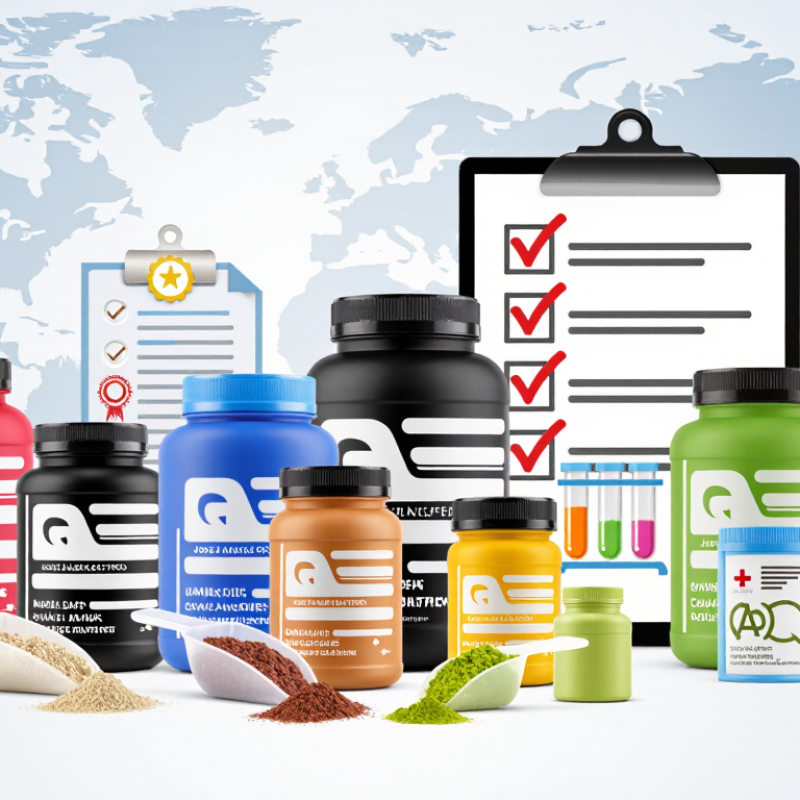
China Best Pre Workout Powders for Global Buyers

What Pre-Workout Powders Are and How They Support Exercise

Pre-workout powders are drink mixes designed for use before exercise. They may contain caffeine, carbohydrates, amino acids, or minerals, depending on the formula. People mix a measured serving with water, often before a gym session or run. Timing matters. These products are supplements, not substitutes for sleep, food, or consistent training.

Caffeine can increase alertness and make hard efforts feel more manageable for some adults. Carbohydrates provide readily available energy, especially during longer or demanding sessions. Some ingredients, such as creatine, work through regular use rather than a single scoop. Effects differ between people. A tingling sensation may come from certain ingredients, but it does not prove that a powder is working.

Global buyers should review the full ingredient list, serving size, caffeine amount, allergen details, and storage guidance. Clear batch records and independent testing can help assess product quality, though they cannot guarantee a personal result. People who are pregnant, sensitive to caffeine, or managing a health condition should seek professional advice before use. Even experienced athletes can misjudge how a new formula feels; starting with a smaller serving, when the label allows it, may help reveal individual tolerance.

How Chinese Manufacturers Formulate and Produce Pre-Workout Powders

China’s pre-workout powder production begins with a clear product brief: serving size, flavor, texture, and target market. Formulators select ingredients by function and review their specifications before blending. Each powder behaves differently. Fine acids can cling to equipment, while coarse particles may separate during transport. A small bench blend helps reveal these issues before a larger production run.

Flavor development often takes repeated trials. A citrus sample may taste sharp at room temperature but dull when mixed with cold water. Technicians adjust flavor, sweetness, and acidity, then check how easily the powder disperses. No formula works perfectly on the first attempt. That takes adjustment. Buyers should ask for the agreed ingredient specifications, sample approval records, and batch documentation, rather than relying on a flavor sample alone.

During production, staff weigh ingredients, screen for lumps, and blend according to a documented process. They inspect representative samples for appearance, weight, and mix consistency. Humidity matters; a damp room can make powder clump before sealing. Packaging tests help confirm that containers or pouches close securely. Not every factory handles details equally well. Export buyers can also confirm that labels and product documents match their destination-market requirements before production begins.

China Best Pre-Workout Powders for Global Buyers: Formulation Reference

Illustrative ingredient inclusion ranges per serving, shown in grams. Actual formulas vary by target market, product positioning, ingredient form, and local regulations.

For global buyers, manufacturers can adjust ingredient levels, flavor systems, and serving formats to meet market requirements. Clear specifications and testing help verify ingredient identity, dose accuracy, and finished-product quality. Caffeine is shown in grams for comparison (0.15–0.30 g equals 150–300 mg); these ranges are illustrative, not universal recommendations.

Which Ingredients and Quality Standards Matter Most

For global buyers, a pre-workout powder should be judged by its ingredient list, not by dramatic promises. Caffeine content should be clearly stated per serving, with serving size easy to check. Common ingredients may include citrulline, beta-alanine, or creatine, but amounts matter more than a crowded label. Small details matter.

Ask suppliers for a current certificate of analysis tied to the specific production batch. It should identify key ingredients and report relevant checks, such as heavy metals and microbial contamination. Independent laboratory testing can add confidence, though buyers should verify the lab, methods, and sample date. A polished certificate alone is not enough.

Packaging also deserves attention: a sealed tub, intact inner liner, and legible lot code help with traceability.

Quality standards vary by market, so review local rules for ingredient limits, warning statements, and label language before placing an order. Check that the powder dissolves consistently and remains free-flowing after storage, especially in humid conditions. These practical checks are easy to overlook.

I would not treat a long ingredient list as proof of quality; sometimes it only makes comparison harder. Clear sourcing, transparent testing, and sensible serving guidance offer stronger signals for buyers.

How Global Buyers Can Compare Chinese Pre-Workout Products

Global buyers should compare pre-workout powders by verifiable details, not bold claims on a product sheet. Start with the full ingredient panel. Check caffeine per serving, serving size, and whether key ingredients have clearly stated amounts. A proprietary blend can make comparisons difficult. Ask for a current certificate of analysis tied to the production batch, plus testing methods and lab details. Paperwork matters. A clean label alone does not prove consistency; compare documents with retained samples when possible.

Request samples from more than one production lot. Mix each in the same water volume and note clumping, sediment, sweetness, and aftertaste. Small differences count. Also review manufacturing controls, allergen handling, packaging seals, and shelf-life data under expected shipping conditions. For international orders, confirm that ingredient names, serving directions, and warning statements can be adapted to the destination market. Ask how formula changes are recorded, and whether buyers receive advance notice. Supplier responses may reveal gaps; vague answers deserve follow-up, not automatic rejection. I would not judge a powder from one tasting alone. Batch variation and personal preference complicate that call.

What Importers Should Check Before Purchasing or Exporting

Grand View Research’s 2024 Sports Nutrition Market report estimated the global market at US$45.24 billion in 2023, with a forecast 7.5% compound annual growth rate through 2030. Growth is not a purchase order. Importers should verify local demand, serving preferences, and acceptable flavor profiles before committing to large volumes.

Request a complete ingredient specification, batch-specific certificate of analysis, and testing details for identity, heavy metals, and microbiological quality. Check caffeine per serving and whether the declared amount matches the lab result. Ask for stability data in the intended packaging; powder can cake after repeated exposure to humid warehouse air. A neat spreadsheet is not proof. Review batch codes, traceability records, and the supplier’s process for handling complaints or recalls.

Labels need careful review before printing. Confirm ingredient names, serving instructions, allergen statements, and nutrition information against the requirements of each destination market. Avoid unsupported performance or health claims. Ask the manufacturer to provide evidence for any claims it proposes. Compare sample packaging with the final production artwork, including net weight and language. These checks take time, and small inconsistencies are easy to miss when deadlines are tight.

FAQS

What details should buyers define before production begins?

Set the serving size, flavor, texture, and target market. Clear specifications reduce avoidable changes later.

Why are small test blends useful?

Fine and coarse particles can behave differently. A bench blend can reveal clumping or separation before a full run.

How is a pre-workout flavor developed?

Technicians adjust flavor, sweetness, and acidity through repeated trials. Cold water can make a citrus sample taste dull. That takes adjustment.

What production checks matter during blending?

Staff weigh and screen ingredients, then blend using a documented process. They check representative samples for appearance, weight, and consistency.

Which ingredient details should buyers review?

Check each ingredient’s amount per serving, not just its name. Caffeine content and serving size should be easy to find. Small details matter.

What should a batch certificate include?

Request a current certificate of analysis tied to the production batch. Review key ingredients and relevant heavy-metal and microbial checks.

How can buyers assess packaging and traceability?

Check for a secure seal, an intact inner liner, and a legible lot code. These details help identify a batch later.

What should buyers check before approving labels?

Review ingredient limits, warnings, and label language for the destination market. Confirm product documents match those requirements before production.

How can buyers check powder performance after storage?

Test whether it disperses consistently and stays free-flowing, especially in humid conditions. A long ingredient list is not enough alone.

Conclusion

Pre-Workout Powders are formulated to support exercise by providing ingredients intended to complement training routines, such as compounds associated with energy, focus, or hydration. Their effects depend on the formula, serving size, ingredient quality, and individual needs. Chinese manufacturers may use different production methods and formulation approaches, so buyers should review ingredient specifications, manufacturing controls, batch consistency, and product testing rather than relying on broad claims.

Global buyers can compare products by checking ingredient transparency, dosage information, flavor options, packaging, production capacity, and quality documentation. Before purchasing or exporting, importers should confirm that product labels, certificates, test reports, shelf-life details, and shipping arrangements meet their destination-market requirements. Clear communication with suppliers and careful review of samples and records can help buyers assess product suitability and reduce avoidable sourcing risks.

Ethan

Ethan

Ethan is a professional marketing specialist dedicated to helping businesses understand complex products and make informed decisions. With extensive knowledge of the company’s solutions, industry trends, and customer needs, he creates clear, practical, and insightful content for the company’s......