
For global buyers, choosing China’s best Green Food Powders means looking beyond a bright package or a low quotation. China offers a broad supplier landscape, from established ingredient processors to smaller specialists. Yet “best” depends on the product, intended market, and evidence a supplier can provide. There is no universal winner.
This guide explores how buyers can compare powders such as spirulina, wheatgrass, and barley grass. It focuses on practical details: ingredient origin, processing method, color, aroma, solubility, and consistency between batches. A sample can look vivid in a glass but still taste too grassy for a finished drink. Taste still counts. Buyers should also request current specifications, test reports, and traceability information, then check whether the documents match the exact product and lot. Certification needs careful review. Its scope and validity matter.
Reliable sourcing takes more than a polished product sheet. Buyers can ask how suppliers control moisture, foreign material, and batch variation, and how they handle questions or complaints. Requirements differ by destination, so importers should confirm applicable rules with qualified local advisers rather than assume one certificate fits every market. Not every label tells the full story. This guide offers a grounded framework for comparing suppliers, assessing product fit, and asking sharper questions before placing an order. Some details may still be difficult to verify remotely; that is worth acknowledging.
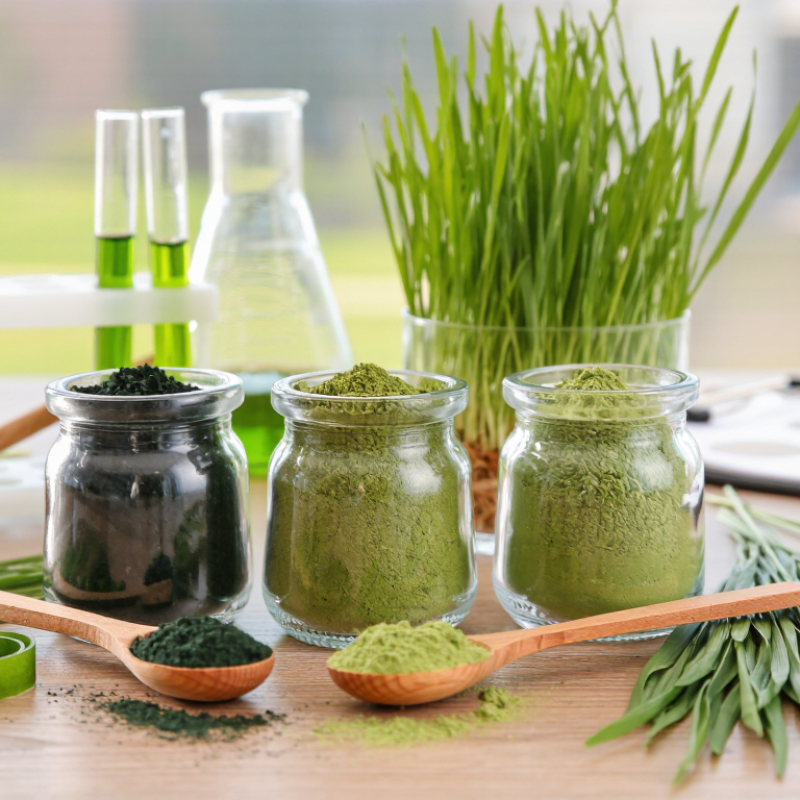
Green food powders are dried, finely milled plant ingredients, such as spinach, kale, or barley grass. They may contain one ingredient or a carefully specified blend. In China, production methods vary with the crop, season, and supplier. Leaves are typically sorted and washed before drying. Some processors blanch them; others skip this step to suit their product specifications. Drying may use controlled hot air or freeze-drying, followed by milling, sieving, and packing. Each method affects color, aroma, solubility, and nutrient retention. The powder should be checked against agreed specifications, not judged by appearance alone. Color alone proves little.
Tips: Ask for the ingredient list, origin details, processing method, and a recent certificate of analysis. Check moisture, particle size, and relevant microbiological results. Request a sample before approving a large order.
Good sourcing also depends on traceability and clear batch records. Ask how raw materials are identified and whether testing covers potential contaminants relevant to the crop and process. A supplier’s documents are useful, but they should match the actual batch. Results can vary between harvests. That part is easy to underestimate. A slightly earthy smell or slower mixing may not mean the powder is defective, but it should be discussed against your intended use and written product requirements.
Green food powders available to global buyers usually fall into three groups. Leafy-vegetable powders include spinach, kale, and broccoli. They bring a mild, vegetal flavor and work well in blends or savory products. Grass powders, such as wheatgrass and barley grass, tend to taste sharper. Algae powders, including spirulina and chlorella, have stronger flavors and distinct colors. Moringa leaf powder is another option, though its flavor and specifications can vary by origin and processing.
Compare more than the ingredient name. Ask suppliers for the botanical name, country of origin, drying method, particle size, and recent test results for contaminants and microbiological quality. Check whether the powder dissolves, disperses, or settles in your intended recipe. A bright green color is not proof of consistent quality. Taste matters, too. Some powders can be earthy or bitter, which may surprise product developers. Specifications can differ between lots; that deserves attention.
Tips: Request a sample from the production lot you plan to buy. Test it in your actual recipe, not only in water. Confirm packaging, shelf-life data, and storage needs before placing a large order.
For global buyers, a green powder’s color and fine texture are only a starting point. Check the ingredient identity, country of origin, processing method, and batch number. A clear specification should state moisture, particle size, and relevant microbiological limits. Ask for a certificate of analysis tied to the lot you will receive, not a generic sample. Paperwork can look tidy while batches still vary. That detail deserves a second look.
Review safety records for heavy metals, pesticide residues, and microbial testing, based on the ingredient and intended market. Confirm that the laboratory and test methods are identified. Certifications can support confidence, but check their scope, expiry date, and facility coverage with the issuing organization. Organic or food-safety certificates may not cover every product or processing site. Requirements also differ by destination, so verify them before ordering. No certificate replaces sensible incoming checks.
Tips: Request a sealed production sample and compare its aroma, color, and dispersibility with the specification. Keep a retain sample from each shipment. Ask how the supplier handles failed results and corrective actions. A response that is specific and documented is more useful than a quick promise. Even careful checks cannot remove every source of variation; record what you observe and revisit your criteria over time.
Choosing a Chinese supplier for green food powders means checking more than a low price.
Ask where the crops grow, which plant parts are used, and how harvests are identified by batch. Clear answers make traceability easier. Request a recent certificate of analysis and confirm that its results match the product specification.
Testing should address relevant quality risks, such as moisture, microbiological levels, pesticide residues, and heavy metals. Ask which methods were used, and whether an independent laboratory performed the tests. Paperwork matters.
Request a small sample before discussing large orders. Check its color, aroma, texture, and how evenly it disperses in water. These details cannot replace lab testing, but they can reveal differences between samples and written descriptions.
Ask how the powder is dried, milled, and protected from moisture during storage. A supplier should explain its packaging, shelf-life basis, and batch-control process without relying on vague claims.
Verify export documents and product requirements for your destination market with qualified local advisers; requirements can vary. Communication is part of quality, too. Notice whether questions receive specific answers or polished generalities.
No checklist removes every risk. I would still compare the sample with the next production batch, because consistency can slip.
For global buyers, importing green food powders starts with clear product specifications. Ask for the botanical identity, ingredient list, allergen information, and a lot-specific certificate of analysis. Check that the test methods and dates are stated, not just a list of results. Moisture, microbiological quality, and relevant contaminant testing deserve attention. Requirements differ by destination and product category, so confirm current documentation and labeling rules with the appropriate authorities before shipping. A smooth sample order does not guarantee every later batch will match.
On arrival, inspect the seals, packaging, lot codes, and any signs of dampness. Keep powder in its original, tightly closed container, away from sunlight, heat, and strong odors. A cool, dry storeroom helps protect color and flavor. Keep it dry. Even a small wet scoop can introduce moisture, so use a clean, dry utensil and close the lid promptly. Follow the supplier’s storage guidance and track opened dates; warehouse conditions are not always as stable as planned.
For use, begin with the serving guidance on the label and blend the powder into smoothies, oats, or a mild dressing. Stir a small amount into liquid first to reduce clumps. Flavor and solubility vary by ingredient and processing, so test each lot in the actual recipe. One detail is easy to miss: a bright green color alone does not confirm quality. Taste, documentation, and consistent handling all matter.
Water activity (aw) measures water available for microbial growth, on a scale from 0 to 1. Approximate lower growth limits vary by species: many bacteria require aw around 0.90 or higher, while some xerophilic molds can grow near 0.61. Keep green powders dry, sealed, and protected from moisture; aw below 0.60 is commonly used as a benchmark for preventing microbial growth, but it does not replace hygienic handling or supplier specifications.
They are dried, finely milled plants such as spinach, kale, or barley grass. Some contain one ingredient; others are blends.
Leaves are sorted and washed, then dried using hot air or freeze-drying. Some processors blanch them. The dried material is milled, sieved, and packed.
Options include leafy vegetables, grasses, algae, and moringa leaves. Grass powders can taste sharp, while algae powders often have stronger flavors.
Ask for the botanical name, ingredient list, origin, drying method, particle size, and a recent, batch-specific certificate of analysis.
No. Color alone proves little. Check test results, aroma, taste, and how the powder performs in your recipe.
Test a sample from the intended production lot in the actual recipe. Some powders taste earthy or bitter, and some settle rather than dissolve.
Keep it tightly closed in a cool, dry place, away from sunlight, heat, and strong odors. Use a clean, dry scoop.
Check seals, packaging, lot codes, and signs of dampness. Record opened dates. A good sample does not guarantee every later batch will match.
Green Food Powders are made by processing vegetables, grasses, fruits, or other plant ingredients into a dry, finely milled form. In China, production methods may include washing, cutting, drying, and grinding, with the process selected to preserve the ingredients’ color, flavor, and nutrients. Global buyers can choose from a range of single-ingredient and blended powders, depending on their intended applications, such as beverages, foods, or supplements.
Before purchasing, buyers should assess ingredient specifications, processing controls, test results, traceability, and relevant food safety certifications. Supplier evaluation should also consider manufacturing capacity, communication, consistency between batches, packaging options, and experience with export documentation. Importers should confirm that products meet the requirements of their destination market, then protect them from moisture, heat, light, and contamination during shipping and storage. Clear instructions for handling and use help maintain product quality from delivery through final application.