
30+ Years of Nutraceutical Manufacturing cGMP 21 CFR 111 · NSF Registered GMP
Hauppauge, New York, USA (631) 951-4908
0%

China has become a major production base for vitamins, minerals, botanicals, and functional nutrition products. Grand View Research estimated the global dietary supplements market at approximately USD 177.5 billion in 2023. Its report also projects continued growth through 2030. This demand creates opportunity, but scale alone does not prove quality.

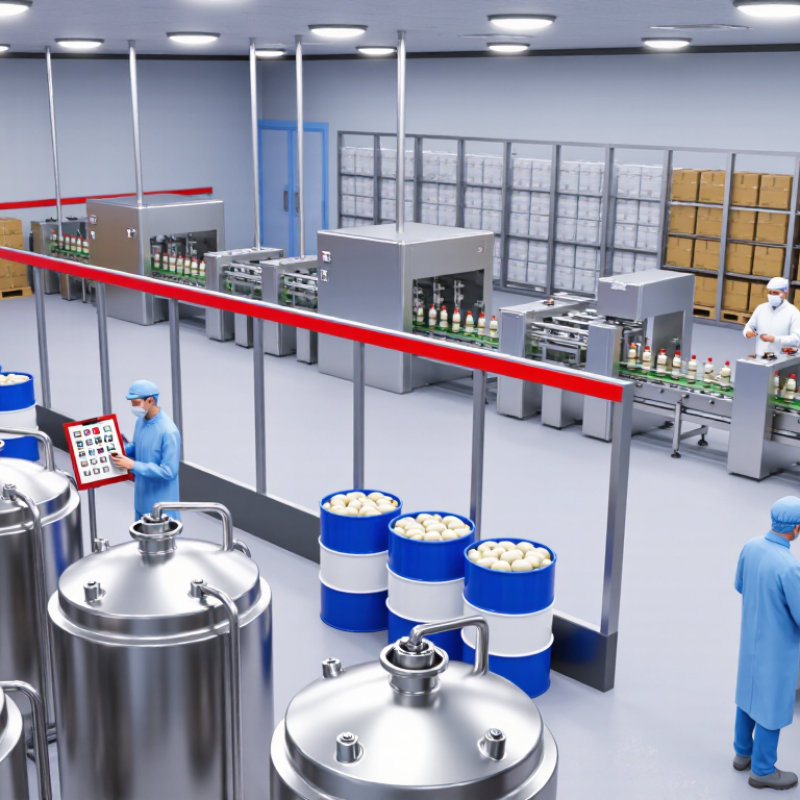
Reliable Dietary Supplement Manufacturing requires visible controls at every stage. A professional facility should show raw-material identification, supplier qualification, batch records, environmental monitoring, and finished-product testing. Walk through the factory. Notice the labeled drums, stainless-steel blending tanks, and separated allergen areas. These details matter. They reveal daily discipline.

The Council for Responsible Nutrition reports that supplement users increasingly expect safety, transparency, and evidence-based communication. China-based manufacturers serving international brands must therefore manage documentation as carefully as production. Certificates of analysis should match the actual batch, not merely a template. Third-party verification can strengthen confidence, though it cannot replace sound internal systems.

Roger Clemens, DrPH, a respected nutrition science expert and former American College of Nutrition president, has emphasized, “Supplements are not a substitute for a healthy diet.” That reminder should guide product development. Manufacturers should avoid exaggerated claims and prioritize appropriate dosages, stability, traceability, and consumer safety.

No factory is flawless. That is an uncomfortable truth. The strongest partners acknowledge risks, investigate deviations, and improve procedures openly. Choosing the best Dietary Supplement Manufacturing partner in China means examining evidence, not impressive photographs. A polished facility helps. Consistent quality systems matter more.
Best Dietary Supplement Manufacturing in China

China’s Dietary Supplement Manufacturing Industry Overview

China’s dietary supplement manufacturing industry is expanding beyond basic vitamin tablets. Grand View Research estimates that China’s dietary supplements market will maintain strong growth through 2030, supported by preventive health spending and an aging population. Euromonitor International also identifies immunity, healthy aging, and beauty-from-within products as important demand areas.

Manufacturers commonly operate under Good Manufacturing Practice controls, with documented batch records, calibrated equipment, and supplier qualification procedures. Reliable facilities test raw materials for identity, purity, heavy metals, and microbial limits. They also maintain traceability from incoming ingredients to finished cartons. China’s State Administration for Market Regulation oversees health food registration and filing requirements. Product claims must match permitted regulatory language.

The factory floor still tells an important story. Stainless-steel contact surfaces, separated weighing rooms, and controlled humidity reduce avoidable risks. However, certification alone is not proof of consistent performance. Audits may miss weak sampling plans or rushed changeovers. That deserves scrutiny. Independent laboratory testing and retained-sample reviews can expose these gaps. Industry reports often use different market definitions, so their revenue estimates are not directly comparable. Buyers should examine production capacity, testing scope, export experience, and corrective-action records before choosing a manufacturing partner. Small details matter, especially when a powder clings to a filling line or a capsule shows uneven weight.

China’s Dietary Supplement Manufacturing Industry Overview

China’s ageing population is a major long-term demand driver for dietary supplements, including products supporting bone health, immunity, cardiovascular health, and healthy ageing.

Share of China’s population aged 60 and 65 or above, 2019–2024. Data source: National Bureau of Statistics of China.

Key Standards for Selecting a Chinese Supplement Manufacturer

Selecting the best dietary supplement manufacturer in China requires more than comparing quotations. Start with documented quality systems. The facility should follow GMP requirements, maintain batch records, and control supplier approval. FDA’s 21 CFR Part 111 requires identity testing, production controls, and finished-product specifications for dietary supplements. Ask to review recent audit findings, not only certificates.

Independent testing also matters. A 2024 Council for Responsible Nutrition survey reported that 75% of U.S. adults use dietary supplements. That scale increases the need for reliable identity, purity, and potency controls. Request laboratory results for heavy metals, microbes, allergens, and active ingredients. Confirm whether testing occurs in-house or through an ISO/IEC 17025-accredited laboratory. A polished certificate can still hide weak sampling. I have seen specifications copied between products; that deserves a hard question.

Tips: Visit the production site when possible. Check air handling, water treatment, weighing rooms, and quarantine areas. Match the approved formula against the actual manufacturing record. Review at least three recent batches, including deviations and corrective actions. Ask how stability testing supports the stated shelf life. WHO estimates that unsafe food causes 600 million illnesses each year, showing why contamination controls cannot be treated as paperwork. Also verify traceability through a mock recall. If the manufacturer cannot identify affected lots quickly, the partnership carries avoidable risk. Pricing matters, but unexplained low pricing may reflect weaker testing, staffing, or raw-material controls.

Manufacturing Processes and Quality Control Systems

Best Dietary Supplement Manufacturing in China

Reliable supplement manufacturing begins with controlled processes, not attractive packaging. Qualified facilities typically follow GMP principles and maintain documented production procedures. Raw materials are checked against approved specifications before entering the warehouse. Identity, purity, moisture, and microbial results may require laboratory verification. Suppliers should be evaluated through audits, certificates, and performance records. Documentation matters.

During production, trained operators verify weighing, sieving, blending, encapsulation, and filling steps. Each batch receives a traceable code. In-process checks may measure weight variation, hardness, disintegration, or powder uniformity. Clean equipment prevents cross-contamination between products. Environmental controls also monitor temperature, humidity, and hygiene. Small errors can spread quickly.

Quality control continues after packaging. Finished products should undergo appropriate chemical and microbiological testing before release. Packaging inspections confirm labels, seals, lot numbers, and expiry information. Retain samples support later investigations and stability reviews. When results fall outside specifications, the batch enters a documented deviation process. Root-cause analysis and corrective actions should follow.

No system is perfect. A rushed line clearance, unclear record, or damaged seal can weaken confidence. Experienced manufacturers review these failures instead of hiding them. They also use internal audits, staff training, and periodic equipment calibration. Independent testing can add useful assurance, although it cannot replace strong daily controls. Reliability is built through repeated evidence, careful records, and honest review.

Product Development, Testing, Packaging, and Certification

Developing dietary supplements in China requires more than selecting a factory. A reliable partner should help refine the formula, dosage form, and ingredient specifications. Product developers may review taste, solubility, stability, and production feasibility before scaling up. Small pilot batches can reveal problems that documents miss. A powder may settle unevenly. A capsule may split during filling. These details affect both quality and consumer experience.

Testing should match the product and target market. Identity, purity, microbial limits, heavy metals, allergens, and stability are common checkpoints. Independent laboratory testing can strengthen confidence, especially when results are reviewed against approved specifications. Packaging also needs practical testing. Moisture-sensitive powders may require high-barrier containers, desiccants, or sealed sachets. Labels should present ingredients, serving information, warnings, and storage conditions accurately. A minor wording error can delay approval.

Tips: Request batch records, test methods, certificates of analysis, and packaging specifications. Ask how deviations are investigated. Certification should fit the destination market, not merely decorate a sales file. Confirm facility qualifications, audit results, traceability, and change-control procedures. Some projects move quickly at first, then slow down during certification. That delay is frustrating, but rushing document review can create larger problems. A careful manufacturer explains limitations clearly and welcomes reasonable technical questions.

Supply Chain Management, Costs, and Export Considerations

Best Dietary Supplement Manufacturing in China

Supply Chain Management, Costs, and Export Considerations

Reliable supplement production begins with a mapped supply chain. Manufacturers should verify raw material origins, supplier qualifications, batch records, and storage conditions. A practical audit includes warehouse temperature logs and sampling procedures. Small gaps can create expensive delays.

Costs involve more than the factory quotation. Formula complexity, testing, packaging, tooling, labor, freight, insurance, and customs services all affect the final landed cost. Larger orders may reduce unit prices, but they can increase inventory risk. Cash flow matters. A low price can hide weak quality controls or unstable material sourcing.

Export planning should begin before production. Confirm the destination market’s ingredient rules, labeling format, language requirements, certificates, and import documents. Independent laboratory testing can support identity, purity, microbiological, and contaminant checks. Use clear specifications and written change-control procedures. Experienced teams also prepare for port delays, damaged cartons, and document corrections. Problems happen.

In practice, buyers should approve a pre-production sample and retain reference samples from each batch. Shipping terms must define responsibility for freight, insurance, customs clearance, and unexpected storage fees. Digital tracking improves visibility, but it does not replace supplier communication. I have seen schedules fail because one packaging component arrived late. Better planning reduces that risk, although no supply chain is perfectly predictable. Budget for rework when the product, label, or export document needs revision.

Best Dietary Supplement Manufacturing in China - Supply Chain Management, Costs, and Export Considerations

Supply Chain Area Typical Planning Benchmark in China Cost or Lead-Time Effect Export and Quality Considerations
Ingredient Sourcing Common inputs include vitamins, minerals, botanical extracts, amino acids, probiotics, oils, gelatin, and plant-based capsule materials. A supplier qualification program should verify identity, purity, origin, allergen status, and contaminant limits. Imported or highly standardized ingredients generally increase material cost and may add 2–8 weeks to procurement when stock is unavailable. Request certificates of analysis, specification sheets, batch traceability, allergen declarations, heavy-metal results, microbiological results, and documentation supporting the intended destination market.
Product Formulation Standard capsule, tablet, powder, gummy, liquid, and softgel formats are commonly available. A new formula normally requires compatibility, stability, sensory, and process trials before commercial production. Formula development and pilot work may require approximately 2–8 weeks, depending on ingredient complexity, dosage, flavor, and dosage form. Claims must be reviewed for the destination country. Ingredients permitted in China are not automatically permitted in the United States, European Union, United Kingdom, Australia, or other markets.
Minimum Order Quantity A practical planning range is approximately 100–500 kg for many powder or capsule projects, while customized gummies, softgels, printed packaging, and complex formulas may require higher minimums. Lower quantities usually produce a higher unit cost because tooling, testing, setup, packaging, and line-cleaning costs are spread across fewer units. Confirm whether the minimum applies to finished units, kilograms, flavors, packaging configurations, or total annual volume. Obtain a written tolerance for overage and shortage.
Testing and Laboratory Control Routine testing may cover identity, assay, microbiology, moisture, heavy metals, pesticides, residual solvents, allergens, and stability, depending on the formula and market. A basic finished-product testing package may range from approximately US$150–US$800 per SKU; advanced contaminant, stability, or specialized testing can cost more. Use laboratories qualified for the required method and destination market. Test results should identify the product, batch, method, laboratory, sampling date, and acceptance criteria.
Manufacturing Lead Time After artwork, raw materials, packaging, and formula approval are complete, a normal first commercial order may require approximately 4–8 weeks for production and release. First orders often take longer because of formulation approval, packaging proofing, tooling, supplier qualification, and pilot testing. Repeat orders may be faster when materials are stocked. Use a production schedule with separate milestones for deposit, raw-material approval, packaging approval, manufacturing, laboratory release, and shipment booking.
Packaging and Labeling Common formats include bottles, pouches, sachets, blister packs, cartons, and bulk bags. Custom printed packaging can require several weeks for artwork approval and production. Packaging often represents a meaningful share of total unit cost, especially for small runs, multi-language labels, special closures, inserts, and tamper-evident components. The label should be checked against destination-market rules for serving size, ingredient nomenclature, net contents, allergens, warnings, lot identification, expiration dating, and required importer information.
Quality Management System A robust facility should maintain documented procedures for purchasing, sanitation, environmental control, production records, deviation handling, corrective actions, complaints, recalls, and traceability. Stronger quality controls may increase the quoted price but reduce the risk of rejected batches, border delays, recalls, and inconsistent product performance. For the United States, dietary supplement manufacturing is subject to FDA current good manufacturing practice requirements under 21 CFR Part 111. Other markets have separate requirements.
Indicative Manufacturing Cost For planning only, bulk capsule or tablet products may commonly fall around US$0.03–US$0.25 per unit, while gummies, softgels, liquids, premium packaging, and complex formulas may be higher. The final price depends on active ingredients, dosage, serving count, dosage form, packaging, testing, order size, payment terms, and Incoterms. These figures are not quotations. Compare quotations on the same basis: formula specification, dosage, packaging, testing scope, carton configuration, shipping term, currency, taxes, tooling, and included documentation.
Domestic Transportation Factories, packaging suppliers, testing laboratories, and ports may be located in different regions, creating additional trucking, warehousing, and consolidation requirements. Domestic transport and temporary storage are usually a smaller cost than ingredients and packaging, but urgent movements and split shipments can materially increase landed cost. Confirm carton dimensions, gross weight, palletization, temperature sensitivity, humidity controls, warehouse conditions, and responsibility for damage before export.
International Freight Ocean freight is generally suitable for larger, non-urgent shipments; air freight is faster but usually more expensive and more sensitive to battery, liquid, temperature, and dangerous-goods rules. Freight rates change with season, route, fuel, capacity, cargo volume, and trade conditions. Obtain a current all-in quotation rather than relying on a fixed percentage of product value. Select an Incoterm that clearly assigns freight, insurance, customs clearance, duties, taxes, unloading, and delivery responsibilities. Confirm the correct Harmonized System code.
Export Documentation A standard shipment package may include a commercial invoice, packing list, bill of lading or air waybill, certificate of origin when applicable, product specifications, and batch-specific certificates of analysis. Documentation fees are usually modest compared with product and freight costs, but missing or inconsistent information can cause storage, inspection, relabeling, or customs delays. Ensure the invoice, packing list, label, certificate of analysis, product description, quantity, lot number, and HS code are consistent across the shipment file.
Customs and Import Compliance Import treatment depends on the product category, ingredients, dosage form, claims, tariff classification, origin, shipment value, and regulations in the destination country. Landed cost should include product price, inland transport, export handling, freight, insurance, customs brokerage, duties, import taxes, inspection, storage, and last-mile delivery. The importer of record is normally responsible for meeting local requirements. Verify registration, notification, permitted ingredients, claims, labeling, and pre-market obligations before production.
Stability and Shelf-Life A commonly requested commercial shelf-life target is 24 months, but the appropriate period must be supported by stability evidence and may be shorter for probiotics, liquids, oils, and moisture-sensitive products. Stability studies can extend launch schedules and add testing costs. Protective packaging, desiccants, oxygen absorbers, and temperature-controlled logistics may increase total cost. Define storage conditions, test intervals, acceptance criteria, expiration-date format, and transport-temperature limits in the quality agreement.
Supplier Selection Criteria Prioritize documented quality systems, relevant dosage-form experience, transparent sourcing, batch traceability, responsive technical support, realistic capacity, and a verifiable audit trail. The lowest factory price may not produce the lowest total cost if it excludes testing, tooling, regulatory review, rework, freight, or quality-release activities. Use a written quality agreement, approved specifications, change-control procedures, confidentiality terms, complaint handling, recall responsibilities, and a clear process for batch rejection.
Data note: Cost and lead-time figures are indicative planning ranges for private-label and contract dietary supplement projects. Actual values vary by formula, dosage form, order quantity, packaging, testing scope, shipping route, Incoterms, and destination-market requirements.

FAQS

What should a reliable supplement manufacturer control first?

Reliable production begins with documented procedures and qualified staff. Raw materials should match approved identity, purity, moisture, and microbial specifications. Documentation matters.

How are raw materials checked before production?

Materials may undergo laboratory verification before warehouse acceptance. Supplier records, certificates, audits, and past performance also require review. A certificate alone is not enough.

What checks happen during manufacturing?

Trained operators verify weighing, sieving, blending, encapsulation, and filling. In-process tests may measure weight variation, hardness, disintegration, or powder uniformity. Each batch needs a traceable code.

How can manufacturers reduce cross-contamination risks?

Clean equipment should be used between different products. Facilities also monitor temperature, humidity, and hygiene. A rushed line clearance can create problems.

What testing should finished supplements receive?

Testing should match the product and destination market. Common checks include identity, purity, microbial limits, heavy metals, allergens, and stability. Results should be compared with approved specifications.

What packaging details deserve close inspection?

Inspectors should check labels, seals, lot numbers, expiry dates, and storage instructions. Moisture-sensitive powders may need high-barrier containers or desiccants. Small wording errors can delay approval.

What happens when a batch fails its specifications?

The batch should enter a documented deviation process. Investigators examine the root cause and define corrective actions. The issue should not be hidden.

How can product development reveal hidden problems?

Pilot batches can test taste, solubility, stability, and production feasibility. Powder may settle unevenly, or capsules may split during filling. Small trials are useful.

What records should a buyer request?

Request batch records, test methods, certificates of analysis, and packaging specifications. Also review audit results, traceability, facility qualifications, and change-control procedures. Records can still be incomplete.

Can independent laboratory testing guarantee product quality?

Independent testing can provide useful additional assurance. It cannot replace strong daily controls, trained operators, and calibrated equipment. No system is perfect.

Conclusion

China’s Dietary Supplement Manufacturing industry offers a broad production base supported by experienced suppliers, modern facilities, and flexible capacity for different product categories. When selecting a Chinese manufacturer, buyers should evaluate production licenses, facility hygiene, quality management systems, technical expertise, communication, traceability, and experience with international markets. A reliable partner should also provide clear documentation, transparent procedures, and consistent quality from raw material sourcing through final delivery.

The manufacturing process typically includes formulation, ingredient verification, weighing, blending, processing, filling, packaging, and batch release. Strong quality control should involve supplier qualification, laboratory testing, stability assessment, in-process inspections, and finished-product verification. Product development should align with target-market requirements, while packaging must protect product quality and communicate accurate information. Certification and export preparation require careful review of documents, labeling, customs requirements, shipping conditions, lead times, and total costs. Effective supply chain management helps reduce delays, control expenses, and support dependable long-term cooperation.

Ethan

Ethan

Ethan is a professional marketing specialist dedicated to helping businesses understand complex products and make informed decisions. With extensive knowledge of the company’s solutions, industry trends, and customer needs, he creates clear, practical, and insightful content for the company’s......